Buy Clomid Online: Order Clomiphene Citrate Without a Prescription
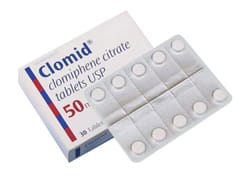
Stepping into the digital pharmacy space can feel like walking through a dense fog without a compass. When you search for ways to bypass traditional hurdles, you often encounter a wild west of vendors promising the moon. While the convenience of doorstep delivery is tempting, it is vital to remember that your reproductive health is not a game of chance.
Purchasing clomiphene citrate without a prescription carries significant, often hidden, risks. Without a physician’s oversight, you are essentially flying blind regarding dosage and potential contraindications. For instance, if you have certain structural abnormalities, such as blocked fallopian tubes, this medication simply won’t work and could lead to dangerous complications during a pregnancy attempt.
Safety isn’t just about the pill arriving on time; it is about the biological impact once it enters your system. Taking an incorrect dose can trigger ovarian hyperstimulation syndrome, a condition where ovaries swell painfully. This isn’t just a minor inconvenience; it can cause irreversible damage if not caught early. Always prioritize your long-term health over the immediate ease of a quick click.
Not all websites are created equal, and discerning the real players from the pretenders is a skill in itself. Reputable online pharmacies often operate with transparency, providing clear contact information and adhering to strict regulatory standards. They act as a bridge between medical necessity and convenience, ensuring the products they ship are legitimate and safe for consumption.
On the other hand, high-risk vendors often look like digital mirages. They might offer “too good to be true” prices or operate from jurisdictions that lack any medical oversight. These sites often lack clear return policies or customer support, leaving you high and dry if the product arrives damaged or, worse, if it is completely counterfeit. It is better to be safe than sorry.
Think of it like buying a car from a certified dealer versus a shady stranger in a dark alley. One offers a guarantee and peace of mind, while the other leaves you wondering if the engine will even turn over. When it comes to hormones, the stakes are significantly higher than a faulty transmission; we are talking about your fundamental biological processes.
To help you navigate the pricing landscape of various online options, consider the following comparison of common market offerings:
| Plan Type | Quantity / Dosage | Estimated Cost | Terms & Conditions |
|---|---|---|---|
| Standard Trial | 21 Pills / 25mg | $45 | Standard Shipping |
| Monthly Supply | 60 Pills / 50mg | $85 | Discounted Rate |
| Bulk Package | 150 Pills / 50mg | $160 | Express Delivery |
Once a package arrives, the real detective work begins. You shouldn’t just swallow the first pill that pops out of the bottle. Authenticity is verified through the physical state of the medication itself. The tablets should be uniform in color, shape, and texture. Any crumbling, unusual discoloration, or strange odor is a massive red flag that you should never ignore.
Check the packaging for any signs of tampering or poor print quality. Legitimate pharmaceutical packaging is a marvel of precision; if the text is blurry or the seal looks like it has been glued back on, walk away. It is better to lose the money spent than to risk ingesting a substance that contains heavy metals or incorrect chemical concentrations.
A wise consumer always cross-references their shipment with the original order. Does the dosage on the label match what was promised? Is the expiration date clearly visible and well within a reasonable range? If anything feels “off,” trust your gut. In the world of fertility, intuition is often your best defense against a counterfeit disaster.
The legalities of buying medication online are a labyrinth of shifting rules and international discrepancies. What is considered a standard prescription in one country might be strictly controlled in another. Navigating this requires an understanding of where you are located and the specific laws governing the importation of prescription-only medications like Clomid.
Laws vary wildly depending on your local jurisdiction, and ignorance is rarely a valid defense if customs intercepts your package. Some regions allow for personal import under specific conditions, while others have a zero-tolerance policy for unprescribed controlled substances. It is essential to know the rules of the road before you start your journey across borders.
Ultimately, the safest path is always the one paved with medical supervision. While the allure of avoiding a doctor’s visit is strong, the legal and physical risks of bypassing professional guidance are substantial. Always aim to operate within the law to ensure that your path to parenthood is defined by joy, not by legal or medical setbacks.
Navigating the financial landscape of fertility treatments often feels like walking through a dense fog without a compass. For many couples, the sheer weight of potential medical bills can be overwhelming before they even begin their journey. Understanding the actual numbers is the first step toward making an informed decision that fits both your medical needs and your household budget.
When you look at the market, the price of Clomid can fluctuate depending on where you source it and the quantity you require. Generally, you might see a single pill cost around $2 to $5, depending on the dosage. While that might seem trivial, these small costs add up quickly when you are looking at multiple cycles or high-dosage requirements.
For those looking to stock up, buying in larger quantities is almost always the smarter play. A full pack typically ranges from $45 to $160, depending on whether you are getting a trial size or a bulk supply. It is much like buying groceries; purchasing the large carton is far more economical than buying several small, individual containers every single week.
To give you a clearer picture, here is a breakdown of what you might expect to encounter in the current market:
| Purchase Option | Quantity | Estimated Cost | Value Insight |
| Standard Trial | 21 Pills | $45 | Best for testing tolerance |
| Monthly Supply | 60 Pills | $85 | The common standard |
| Bulk Package | 150 Pills | $160 | Best for long-term use |
When comparing the cost of Clomid to In-Vitro Fertilization (IVF), the difference is not just significant; it is staggering. IVF is often described as the “gold standard” of treatment, but that title comes with a heavy price tag. A single cycle of IVF can easily run between $10,000 and $20,000, often excluding the costs of medications and extra monitoring.
In contrast, Clomid is a relatively low-cost alternative that focuses on stimulating natural ovulation. For many, Clomid serves as a first-line defense, acting as a bridge to more intensive treatments. It is the difference between a gentle stroll in the park and a high-stakes mountain climb; both aim to get you to the summit, but one is far more taxing on your resources.
Many couples find that using Clomid as a preliminary step allows them to try for pregnancy naturally before committing to the massive financial and physical undertaking of IVF. This phased approach can save thousands of dollars, providing a much-needed financial cushion if more advanced medical interventions become necessary later on in the process.
Think of it as a strategic investment. You aren’t just spending money on medication; you are buying time and options. If Clomid achieves success, you have avoided a massive expenditure. If it doesn’t, you haven’t depleted your entire life savings, leaving you prepared for the next steps in your fertility journey.
It is easy to get caught up in the advertised price on a website, but the “sticker price” is rarely the final total. There are several hidden layers that can sneak up on you like an unexpected guest. Shipping fees, especially for express or tracked delivery, can add an extra $20 to $50 to your total order.
Furthermore, if you are ordering from an international vendor to secure a lower price, you must account for the possibility of customs fees. Some countries have strict regulations regarding the importation of hormone-based medications. If your package is intercepted or flagged for inspection, you might face administrative fees or, in the worst-case scenario, have the shipment returned at your expense.
I once knew a couple who saved fifty dollars on their order but lost an extra eighty dollars in customs delays and repackaging fees. It is a frustrating “tax” on your patience. Always factor in a buffer for these logistical hiccups to ensure your budget doesn’t go off the rails when the package finally arrives at your doorstep.
To avoid these headaches, many savvy buyers look for reputable vendors that offer transparent shipping policies. It is worth paying a slightly higher upfront price to a vendor that handles customs paperwork correctly and provides reliable tracking. In the world of medical logistics, predictability is worth its weight in gold.
If you are planning to undergo multiple cycles, the math becomes incredibly clear: bulk ordering is your best friend. When you purchase a single month’s supply, you are paying a premium for the convenience of small packaging. However, when you step up to a 150-pill package, the cost per pill drops dramatically.
This reduction in cost per unit can save you hundreds of dollars over a year-long treatment plan. For many, the decision to buy in bulk is a way to mitigate the emotional stress of fertility struggles by removing the financial stress of constant reordering. It provides a sense of stability and preparation for the road ahead.
However, bulk buying is not without its considerations. You must be certain that the medication’s expiration date is well into the future. There is no sense in buying a year’s supply if the last third of that supply expires before you even get to use it. Always check the labels before committing to a large shipment.
When done correctly, bulk ordering is a cornerstone of a smart fertility budget. It allows you to focus your energy where it matters most—on your health and your dream of becoming a parent—rather than constantly watching your bank account balance. For more information on the medical specifics of this medication, you can visit https://msmedicaid.telligen.com/wp-content/uploads/2021/01/clomid.html.
When you decide to order medication online, the waiting game can feel like an eternity. You aren’t just waiting for a package; you are waiting for a vital piece of your fertility journey. Knowing exactly when that box will arrive can turn a mountain of anxiety into a manageable, predictable process for your household.
Domestic orders typically move with the speed of a professional courier, often arriving within 3 to 7 business days. If you are opting for express shipping, you might see your package on your doorstep in as little as 48 hours. It is a small investment of $15 to $30 extra that offers immense peace of mind.
International shipping is a different beast entirely, often likened to navigating a vast ocean without a compass. Depending on the origin and your local postal service, expect a timeline of 2 to 4 weeks. While the wait is longer, the cost savings on a large bulk order can sometimes offset the patience required.
To help you plan, here is a quick breakdown of what to expect regarding your delivery timeline:
| Shipping Method | Estimated Timeline | Typical Cost |
| Standard Domestic | 3-7 Business Days | $5 – $10 |
| Express Domestic | 1-3 Business Days | $25 – $40 |
| Standard International | 14-30 Business Days | $20 – $35 |
| Priority International | 7-14 Business Days | $50+ |
One of the biggest hurdles for many people is the “what if” factor. What if a roommate, spouse, or nosy neighbor sees a package that looks like it contains sensitive medication? This fear can be a significant barrier to ordering the supplies you need to move forward with your treatment plan.
Reputable vendors understand this deeply and utilize “plain-package” shipping protocols. This means your Clomid arrives in a generic, sturdy cardboard box or a standard padded envelope. There are no large, suspicious logos or labels that scream “medical supplies” from across the hallway. Your business remains your business.
The return address is usually listed as a generic logistics company or a warehouse fulfillment center. It looks no different from a common online shopping order for a book or a kitchen gadget. This level of discretion is not just a luxury; it is a fundamental standard for those prioritizing their medical privacy.
We highly recommend double-checking your shipping profile during checkout to ensure you have selected “discreet packaging.” While most professional services include this by default, a quick glance can save you from any unnecessary social awkwardness when the mail carrier arrives at your door.
Once your order leaves the warehouse, you shouldn’t be left in the dark. A reliable tracking number is your best friend, acting as a digital breadcrumb trail from the fulfillment center to your doorstep. Most modern services provide real-time updates via email or SMS, so you can see every stop along the way.
However, even the best-laid plans can hit a snag at the border. Customs can be a bit of a black box, often causing unexpected delays. If a package is flagged for inspection, it might sit in a holding facility for several days. This is rarely a sign of a problem, but rather just the gears of bureaucracy grinding slowly.
If you notice your tracking hasn’t updated in over a week, don’t panic immediately. Often, the package is simply moving through a high-volume sorting facility. If the delay stretches beyond the estimated window, reach out to the vendor’s support team. They can often provide more granular details or initiate a replacement if necessary.
To ensure a smooth transit, keep these tips in mind:
For more detailed information on the medical aspects of your medication, you can refer to this resource: https://www.vcareclinics.org/wp-content/uploads/2012/04/clomid.html.
Navigating the specifics of hormone therapy can feel like trying to read a map in a heavy fog. Because everyone’s biological makeup is as unique as a fingerprint, there is no “one size fits all” approach to dosing. What works for one person might be entirely different for another, which is why medical supervision is the golden rule of this entire process.
For women attempting to induce ovulation, the standard oral dosage typically ranges from 2.5mg to 5mg per day. Doctors often start at the lower end of this spectrum to see how the body responds. It is a delicate dance between stimulating the ovaries enough to release a healthy egg without overstimulating them to the point of discomfort.
In many cases, the medication is taken for a specific window of time during the menstrual cycle. This isn’t something you just take whenever you feel like it; the timing is everything. If the timing is off, you might miss the fertile window entirely, making the whole effort feel like a wasted effort in a long, difficult journey.
The most common protocol involves starting the medication on the third or fourth day of your menstrual cycle. Usually, the treatment lasts for five consecutive days. By following this specific rhythm, you are working in harmony with your body’s natural hormonal ebb and flow to maximize the chances of a successful conception.
While most people associate this medication with female fertility, it has carved out a significant niche in male reproductive health. It is frequently used “off-label” to help men who are struggling with low testosterone levels or poor sperm quality. It’s a bit like a cosmic nudge to the brain to get things moving again.
When used in men, the goal is often to boost both testosterone and sperm count. The medication works by tricking the brain into thinking estrogen levels are low, which prompts the pituitary gland to release more hormones. This chemical signal tells the testes to ramp up production, essentially kickstarting a stalled engine.
For men, this can be a game-changer for those dealing with hypogonadotropic hypogonadism. It can lead to a dramatic increase in sperm concentration and motility. I once heard a story of a man who had struggled for years, but after a controlled cycle, his semen analysis showed a massive improvement, eventually leading to a very happy family.
However, men must be careful. The dosage and duration must be tailored specifically to the individual to avoid unwanted side effects. Just because a friend says a certain dose worked for him doesn’t mean it is the right path for you. Always treat your hormonal health with the respect and precision it deserves.
Even with the best intentions, small mistakes can lead to a complete cycle failure. One of the most frequent errors is inconsistent timing. Taking your dose at different times each day can cause hormonal fluctuations that disrupt the delicate process of ovulation. Think of it like trying to keep a fire burning; you need a steady supply of fuel.
Another significant mistake is ignoring the “Sig” or the specific instructions provided by a healthcare professional. Some people try to “double up” if they miss a pill, thinking they can catch up. This is a dangerous gamble that can lead to severe side effects or even ovarian hyperstimulation syndrome, which can be quite painful and potentially dangerous.
There are several ways a cycle can fall through due to administration errors:
For more detailed information on the medical aspects of your medication, you can refer to this resource: https://msmedicaid.telligen.com/wp-content/uploads/2021/01/clomid.html.
Navigating the hormonal shifts brought on by fertility medications can feel like riding a rollercoaster without a seatbelt. While many women find the process manageable, it is not uncommon to encounter a bit of a rough patch. You might find yourself dealing with sudden hot flashes or unexpected mood swings that seem to come out of nowhere.
These fluctuations are often just the body trying to find its footing amidst the chemical changes. Some women report feeling unusually irritable or even tearful during their cycle. It is helpful to remember that these shifts are typically temporary, but they can certainly test your patience and your partner’s nerves during the process.
To help manage these pesky symptoms, many find relief by taking their dose at night before going to bed. This simple adjustment can help you sleep through much of the initial discomfort. If you find that your mood or physical sensations are becoming unmanageable, it is a good idea to chat with your doctor about potential adjustments.
While most cycles proceed smoothly, there is a more serious condition known as Ovarian Hyperstimulation Syndrome, or OHSS, that demands your attention. This happens when the ovaries respond too intensely to the medication, causing them to swell and become quite painful. It is a condition that requires a watchful eye and quick action.
Early signs might include significant abdominal bloating or a dull ache in the pelvic region. As the condition progresses, you might experience nausea, vomiting, or a decrease in how much you are urinating. It is essentially your body’s way of sounding an alarm that the stimulation has gone a bit overboard.
If you notice these symptoms, do not try to “tough it out.” You should contact your medical professional immediately to discuss the severity of the situation. Early detection is key to preventing more serious complications, such as fluid buildup in other parts of the body, which can become a medical emergency.
One of the most significant “silver linings” of successful ovulation induction is the increased chance of having multiples. Because the medication works by stimulating the ovaries, there is a higher probability that more than one egg will be released during a single cycle. This means twins, triplets, or even higher-order pregnancies are a real possibility.
While the idea of a full house might sound exciting, multiple pregnancies carry much higher risks for both the mother and the babies. These include preterm birth and low birth weight. It is vital to work closely with your healthcare provider to monitor the health of your pregnancy and manage any risks that arise.
To mitigate these risks, doctors often perform careful cycle monitoring. They may use ultrasounds to track how many follicles are developing. If they see too many mature follicles, they might adjust your dosage or suggest different protocols to keep the pregnancy as safe and single as possible.
| Symptom/Risk | What to Watch For | Action Required |
| OHSS | Severe bloating, nausea, abdominal pain | Contact doctor immediately |
| Multiple Births | High follicle count on ultrasound | Close prenatal monitoring |
| Visual Issues | Blurred vision or light sensitivity | Immediate medical evaluation |
It is essential to remember that every individual’s response to the medication is unique. What works for one person might not be the ideal path for you. Always keep an open line of communication with your specialist, especially when discussing the specific risks of your unique biological makeup and history.
If you experience sudden visual disturbances, such as blurred vision or seeing flashing lights, stop using the medication and seek help. These can be signs of irreversible damage or severe complications. For more clinical details on the risks associated with these hormones, you can visit https://www.vcareclinics.org/wp-content/uploads/2012/04/clomid.html.
Navigating fertility treatment often feels like trying to solve a complex puzzle without the box lid. While medication provides the spark, your lifestyle acts as the fuel that keeps the flame burning steadily. Small, intentional shifts in your daily habits can create a fertile environment, making the most of every cycle you undertake during this journey.
Managing your weight is a cornerstone of this holistic approach. Being significantly overweight or underweight can throw your hormonal symphony out of tune, making it harder for medications to do their job effectively. Aiming for a healthy, stable weight helps ensure that your body’s natural signals and the medication’s signals work in harmony rather than at cross-purposes.
Stress is the invisible thief of reproductive health. When cortisol levels spike, they can act like a loud, distracting noise that drowns out the subtle hormonal messages your body needs to ovulate. Finding ways to lower your baseline anxiety—whether through yoga, reading, or simply quiet walks—can help keep your endocrine system calm and receptive.
Think of your body as a garden that needs specific nutrients to produce the highest quality blooms. While Clomid does the heavy lifting of stimulating ovulation, certain supplements act as the essential fertilizer. You want to ensure your body has the building blocks necessary for healthy egg development and a robust uterine lining.
Coenzyme Q10 (CoQ10) is a powerhouse for mitochondrial health, which is vital for the energy-intensive process of egg maturation. Many specialists suggest that improving egg quality through antioxidant support can be a game-changer. It is like giving your ovaries a high-performance upgrade to ensure the eggs released are as healthy as possible.
Don’t overlook the importance of Folic Acid and Vitamin D in your daily regimen. Folic acid is a non-negotiable for preventing neural tube defects, while Vitamin D plays a massive role in hormonal regulation and overall reproductive function. Many women find that a well-rounded supplement stack helps them feel more prepared and empowered during their treatment cycles.
Consider the following common supplements often discussed in fertility wellness circles:
| Supplement | Primary Benefit | Focus Area |
| CoQ10 | Supports egg quality and cellular energy | Ovarian Function |
| Folic Acid | Crucial for early fetal development | Neural Protection |
| Vitamin D | Regulates hormonal balance | Endocrine Health |
Timing is everything when you are trying to conceive. Even with the help of medication, the window of opportunity for conception is quite narrow. Relying solely on a calendar can feel like guesswork, which is why many people turn to more precise methods to track their physiological changes.
Ovulation Predictor Kits (OPKs) are incredibly helpful tools for taking the guesswork out of the equation. These kits detect the surge in luteinizing hormone (LH) that typically occurs right before ovulation. By catching this surge, you can identify the most fertile days, allowing you to time intercourse with much greater precision and less anxiety.
Using these kits allows you to move from “hoping” to “knowing.” Instead of wondering if you missed your window, you can see the biological cues in real-time. This data can be invaluable when you sit down with your healthcare provider to review how your body is responding to the medication protocols.
What you put on your plate matters just as much as the pills you take. A diet rich in whole foods, healthy fats, and lean proteins provides the steady energy your body needs. Avoiding highly processed sugars can help prevent the dramatic insulin spikes that often interfere with regular ovulation patterns.
While it might be tempting to enjoy a glass of wine or a cocktail to take the edge off the stress, many experts suggest avoiding alcohol during treatment. Alcohol can impact hormone levels and affect the quality of the uterine lining, which is the very soil where an embryo needs to implant and grow.
Treating this time as a “wellness season” can make the process feel more like self-care and less like a medical chore. By nourishing your body with nutrient-dense foods and avoiding substances that disrupt your endocrine system, you are setting the stage for the best possible outcome. For more clinical context regarding hormone management, you can review information at https://msmedicaid.telligen.com/wp-content/uploads/2021/01/clomid.html.