Buy Flagyl and Metronidazole Online at the Best Prices
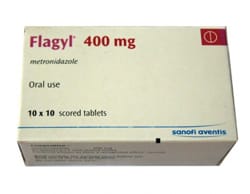
When a doctor writes a prescription for an infection, the name “Flagyl” often carries a certain weight of authority. It is the household name that many patients instinctively ask for. However, once you step into the pharmacy or browse online, you will quickly encounter the alternative: generic metronidazole. Deciding between the two isn’t just about brand loyalty; it is a practical choice involving your wallet and your health.
The most immediate difference you will notice is the price tag. Brand-name medications like Flagyl often come with a premium, much like how a designer label costs more than a store brand. This extra cost isn’t because the medicine works better, but because the manufacturer is recouping the massive investment spent on original research and marketing during the drug’s patent years.
Generics, on the other hand, are the workhorses of the pharmaceutical world. They offer a way to access the exact same active ingredient without the “brand name” markup. For many people, switching to a generic is like choosing a high-quality store brand cereal over a famous name; you get the same nutrition and taste, but you aren’t paying for the fancy box on the shelf.
You might wonder if a cheaper pill is actually as “strong” as the expensive one. The answer lies in the concept of bioequivalence. Before a generic metronidazole can hit the shelves, it must prove to regulatory bodies that it behaves in your body in the same way as the brand-name version. This means it must reach the bloodstream at the same rate and in the same concentration.
In the world of pharmacology, the active ingredient is the star of the show. Whether it is labeled Flagyl or simply metronidazole, the chemical formula, $C_{6}H_{9}N_{3}O_{3}$, remains identical. They are designed to disrupt the DNA of harmful microorganisms with the same clinical precision. You aren’t sacrificing the “punch” of the antibiotic by opting for the generic route.
Because they are bioequivalent, the efficacy of generic metronidazole is considered identical to the brand. This means if a doctor prescribes a 250mg dose to fight a parasitic infection, the generic version will deliver that 250mg dose to your system just as effectively. You are getting the same medical outcome, just through a more cost-effective delivery system.
If you were to lay a brand-name tablet next to a generic one, you might think you’ve grabbed the wrong medicine. This is intentional. Trademark laws prevent generic manufacturers from making their pills look exactly like the original brand. They must look different to avoid consumer confusion in a retail setting.
You might notice that one pill is a stark white, while the other has a slight off-white tint. One might be a round tablet, while the generic version is slightly oval-shaped. These physical tweaks—color, shape, and even the way the coating feels—are purely cosmetic. They do not impact how the medication interacts with your biology or how it dissolves in your stomach.
It is a common source of anxiety for patients who see a different-looking pill than what they used previously. If you find yourself staring at a pill that looks “off,” remember that the difference is skin-deep. As long as the dosage matches your prescription, the physical appearance is merely a side effect of legal regulations.
For a single, short course of antibiotics, the price difference might seem like a minor ripple in your monthly budget. However, things change when you look at the bigger picture. For patients dealing with chronic issues or those requiring long-term treatments, the cumulative cost of brand-name drugs can become a significant financial burden.
Choosing generics allows you to stretch your healthcare budget much further. Instead of spending a fortune on a single brand, you can use those savings for other necessities or even more doses if a treatment course needs to be extended. It is a strategic way to manage your health without breaking the bank.
The following table provides a snapshot of how pricing might look when comparing different options and quantities. Please note that these figures are estimates used to illustrate the potential variations in cost structure.
| Option Type | Quantity/Description | Estimated Cost |
| Brand-Name Flagyl | Standard Pack (200mg) | $65.00 |
| Generic Metronidazole | Standard Pack (250mg) | $22.00 |
| Generic Metronidazole | Large Value Pack (500mg) | $38.00 |
| Generic Metronidazole | Bulk Supply (400mg) | $45.00 |
Navigating the pharmacy landscape can feel like trying to find a needle in a haystack, especially when costs fluctuate wildly. You might find one site offering a steal, only to realize the price jumps once you hit the checkout page. Being a savvy shopper means understanding exactly what you are paying for before you ever pull out your credit card.
When you look at the different strengths of metronidazole, the price per pill often changes based on the dosage. It is not always a linear progression; sometimes, a higher milligram tablet is actually more economical per unit. Understanding this math is the first step toward keeping your medical expenses under control without sacrificing the quality of your care.
The price you pay depends heavily on the specific strength your doctor has prescribed. It is a bit like buying coffee; sometimes the large bag is cheaper per ounce, but other times the small tins are on sale. For metronidazole, you will generally see three main tiers in the marketplace.
The 250mg tablets are often the most common for specific parasitic infections and usually sit at the lower end of the price spectrum. However, if your treatment requires a high volume of pills, the cost can add up quickly. It is worth checking if your provider is comfortable with a different dosage strength if it helps you save money.
The 400mg and 500mg options are frequently used for more intensive bacterial treatments. While the individual pill might cost more, you often need fewer of them to complete a course. This “less is more” approach to pill count can significantly impact your total out-of-pocket expenditure at the end of the month.
To give you a clearer picture, here is a general breakdown of how these strengths typically compare in the current market:
| Strength | Typical Use Case | Estimated Price Range |
| 250mg | Standard parasitic/bacterial | $15.00 – $25.00 |
| 400mg | Common bacterial infections | $25.00 – $35.00 |
| 500mg | Intensive/Longer courses | $35.00 – $50.00 |
We believe that nobody should be overcharged for essential medication. That is why we offer a robust 125% price match guarantee. If you find the same medication at a lower price through a licensed, recognized mail-order pharmacy, we won’t just match it—we will beat that price by an additional 25% of the difference. It is our way of ensuring you always get the best deal.
Imagine you find a competitor selling the same pack for $40.00, while our price is $50.00. We don’t just drop our price to $40.00; we calculate the $10.00 difference, take 25% of that ($2.50), and subtract it from the competitor’s price. You would end up paying only $37.50. It is a win-win scenario that puts money back in your pocket.
To claim this discount, you cannot simply click a button in a shopping cart. You must speak with our dedicated customer service team. When they call you to collect payment or confirm your order details, simply mention that you are requesting a price match. They will verify the competitor’s pricing and apply your savings on the spot.
To qualify, the product must be identical in every way. This means the manufacturer, country of origin, pack size, strength, and quantity must be exactly the same. We also require that the competitor is a licensed, online Canadian pharmacy with a physical address in Canada. We cannot match used, expired, or short-dated products, as we only deal in brand-new, high-quality medicine.
Hidden fees are the silent killers of a good deal. There is nothing more frustrating than finding a low price, only to see “service fees,” “processing charges,” or “shipping premiums” tacked onto the total at the very last second. Always look for a “total price” breakdown before you enter your payment information to avoid these surprises.
When shopping online, you will often encounter a choice between using insurance or paying the cash price. This is where things get a little murky. Many people assume that insurance is always the cheaper route, but for many generic antibiotics, the “cash price” is actually lower than your insurance co-pay.
For more information on how to navigate these online options and find the best value, you can visit this resource on buying metronidazole online. It provides excellent insight into how telehealth and pharmacy costs interact.
In many cases, paying out-of-pocket with a cash price is the fastest way to avoid the red tape of insurance claims. Insurance can sometimes take days or even weeks to approve a specific generic brand. If you are feeling under the weather and need relief immediately, the upfront cash price often provides the quickest path to getting your medication delivered to your doorstep.
Navigating the digital marketplace for antibiotics can feel like walking through a minefield. You want your medicine quickly, but you also want to ensure it is authentic and safe. Many patients are turning to telehealth platforms like Everlywell or Wisp to bridge the gap between a doctor’s visit and the pharmacy counter.
Everlywell is a heavy hitter in the telehealth space, offering streamlined services that can cost around $45 for an intake and clinical review. It is a solid choice for those who want to avoid the headache of insurance paperwork. However, remember that they only provide the prescription; you still have to handle the actual medication separately.
Wisp takes a slightly different approach by focusing heavily on the privacy aspects of sexual health. They offer a very user-friendly interface and often bundle things together. A major pro for Wisp is their commitment to discreet packaging and free shipping within the U.S., which is a godsend for anyone feeling self-conscious about their delivery.
On the flip side, the “all-in-one” convenience of some platforms can sometimes hide the true cost. Always do the math on whether the bundled price is actually better than buying a prescription and filling it at a local pharmacy. It is easy to get caught up in the ease of use and overlook a few extra dollars in the long run.
When you are buying metronidazole online, you are essentially trusting a stranger with your health. This is why FDA approval is the non-negotiable bedrock of your search. An illegitimate site might sell a pill that looks identical to the real thing, but without proper oversight, you have no way of knowing if the chemical composition is actually correct.
Always look for a pharmacy that holds valid, licensed credentials. A legitimate operation will be transparent about their physical location and their licensing status. If a website looks like it was built in five minutes and refuses to provide a physical address or a verifiable license number, run the other way. It is better to wait a day for a verified provider than to take a gamble on a counterfeit.
Think of it like buying a car; you wouldn’t buy a vehicle from a shady lot just because the price is incredibly low. The same logic applies to your medicine. You want to see proof that the pharmacy is part of a regulated system that holds them accountable for the quality of every tablet they ship.
To ensure you are getting the real deal, check for the following markers of legitimacy:
Privacy is often a top priority for patients, especially when treating sensitive conditions. You don’t want a giant, bright label on a box that screams “Antibiotics” sitting on your porch. Look for services that explicitly mention “discreet packaging.” This usually means the outer box is plain, unmarked, and won’t draw any unwanted attention from neighbors or housemates.
When it comes to speed, you need to weigh your urgency against your convenience. Some models offer direct-to-door shipping, which is incredibly convenient. You can sit on your couch and wait for the courier to arrive. This is perfect if you have a busy schedule and don’t want to make an extra trip to the store.
Alternatively, there is the local pharmacy pickup model. This is often the fastest route if you are feeling unwell right now. Many telehealth platforms will send your prescription to a local pharmacy near you. You can then head over and pick it up the very same day. It is a great middle ground between digital convenience and physical immediacy.
To help you decide, consider this comparison of the two main delivery styles:
| Feature | Direct-to-Door Shipping | Local Pharmacy Pickup |
| Speed | 2–5 Business Days | Same Day (usually) |
| Privacy | High (Discreet Packaging) | Variable (Pharmacy Dependent) |
| Effort | Very Low | Requires Travel |
Ultimately, the “best” method depends on your specific situation. If you are in a rush to start your treatment, local pickup is your best friend. If you prefer total discretion and the comfort of your own home, opt for the mail-order route. Just ensure you are using a reputable source for either option, such as checking metronidazole options through a trusted provider.
Entering the world of digital healthcare can feel like stepping into a labyrinth without a map. When you decide to seek metronidazole through a telehealth platform, you aren’t just clicking a button; you are initiating a formal medical dialogue. The first step is usually a digital medical intake questionnaire designed to gather your vital health history.
This questionnaire is not just a formality to gather your name and address. It is a critical diagnostic tool where you will describe your symptoms, current medications, and any known allergies. Be as detailed as possible; if you are experiencing abdominal discomfort or a strange taste in your mouth, mention it. Precision here is the key to a successful consultation.
Once you hit submit, your responses are sent to a licensed healthcare professional who reviews your data. They look for red flags that might make an antibiotic unsuitable for your specific situation. Think of it as a digital screening that ensures the doctor has a clear picture of your health before they ever hop on a video call with you.
After the initial paperwork is complete, you will likely move into the actual virtual visit. This is a non-negotiable requirement for prescription authorization. Because metronidazole is a prescription-only medication, a provider must legally verify your need for the drug. They cannot simply ship pills based on an online form alone; a human expert must sign off on the treatment plan.
The virtual visit might be a quick text-based exchange or a live video call, depending on the platform’s specific protocols and your local state laws. During this time, the provider may ask follow-up questions to rule out contraindications, such as a history of seizures or liver dysfunction. It is a brief but essential hurdle that keeps the entire system safe and legitimate.
The timeline from your first click to having the medication in hand can vary. If you choose the direct-to-door shipping route, you might be waiting anywhere from 2 to 5 business days for your package to arrive. This is the “set it and forget it” method, perfect for those who value the comfort of their own living room over immediate relief.
However, if you are feeling under the weather and need relief “yesterday,” the local pharmacy pickup model is your best bet. Once the provider authorizes your prescription, they can send it electronically to a pharmacy near you. If you time it right, you could be walking out of a local drugstore with your medication in the same afternoon.
If you already have an active prescription from a local doctor, you don’t have to start from scratch. Handling prescription transfers is a common part of the digital medical landscape. Most telehealth services allow you to provide your current doctor’s contact information so they can coordinate the transfer of your care seamlessly.
This process ensures continuity of care and prevents the confusion of having multiple conflicting prescriptions. It is like handing off a baton in a relay race; the goal is to keep the momentum of your treatment going without any unnecessary stops. You can check for available options and pricing through a provider like Blink Health to see how their streamlined system works.
Taking any medication is a bit like driving a car; you need to know the rules of the road to avoid a crash. Metronidazole is a powerful tool in the medical arsenal, but it demands respect. If you treat it with carelessness, the consequences can be quite unpleasant, turning a simple recovery into a significant health hurdle.
Safety isn’t just a suggestion; it is the foundation of effective treatment. Before you ever pop a pill, you must ensure your body is ready to process it. Skipping the fine print can lead to a cascade of issues that might make you regret starting the course altogether. Always listen to what your doctor says during your consultation.
Understanding how this drug interacts with your lifestyle and other substances is paramount. It is not just about the pills themselves, but about everything else going on in your system. Taking this seriously ensures that the medication does its job—fighting infection—without causing unnecessary harm to your internal organs or your general well-being.
If there is one thing you must burn into your memory, it is this: do not drink alcohol while taking metronidazole. It sounds simple, but the reaction can be quite dramatic. Mixing the two can trigger a “disulfiram-like reaction,” which is a fancy way of saying your body will react violently to even a tiny amount of alcohol.
Imagine a sudden, overwhelming wave of nausea, intense vomiting, flushing, and a racing heart. It is not a mild discomfort; it is a full-blown biological revolt. This reaction can happen even if you consume alcohol while you are still on the medication or shortly after you finish your last dose. It is best to wait a few days after treatment ends.
Think of it as a temporary truce with your favorite beverage. You might be tempted to have a glass of wine or a beer to ease the stress of being sick, but doing so is like throwing gasoline on a fire. Your safety is worth more than a quick drink, so keep the spirits on the shelf until you are fully cleared.
Even when everything goes according to plan, your body might protest the arrival of the antibiotic. One of the most frequent complaints is a strange, metallic taste in the mouth. It’s a peculiar sensation, almost like you’ve been sucking on a penny, but it is generally harmless and typically fades once the treatment is complete.
Stomach issues are also quite common as the medication works its magic. Many patients report feeling some nausea or general abdominal discomfort. It can feel like a mild case of indigestion, but it usually passes as your body adjusts. If you find yourself feeling particularly queasy, try taking your dose with food to settle your stomach.
While most side effects are minor nuisances, you should always keep an eye out for anything more serious. A list of potential reactions includes:
If you experience severe symptoms, such as a skin rash or difficulty breathing, seek medical help immediately.
Metronidazole is a bit of a social butterfly in the bloodstream, meaning it loves to interact with other substances. Some of these interactions can be dangerous, potentially changing how your body processes other life-saving medications. You must provide your healthcare provider with a full list of everything you are currently taking.
Specifically, be extremely cautious with anticoagulants, such as Warfarin. Metronidazole can boost the effect of blood thinners, making your blood “too thin” and increasing the risk of bleeding. It is a delicate balance, and even a small shift can lead to serious complications that require medical intervention.
Other drugs to watch out for include certain antibiotics and specialized medications. For a comprehensive list of what to avoid, you should consult a professional or review the details at https://www.canadadrugsdirect.com/products/flagyl. Common culprits include:
Not every body is built the same, and for some, this medication requires extra caution. If you have a history of seizures, your doctor needs to know. Metronidazole can occasionally lower the seizure threshold, making it easier for a neurological event to occur. It is a risk that must be carefully weighed against the benefits of treating the infection.
Your liver is also a primary concern. Since the liver is the body’s main filtration system, it works hard to process the medication. For those with existing liver dysfunction, the drug can put additional strain on this vital organ. Your doctor may need to adjust your dosage or monitor your liver enzymes more closely to ensure everything stays on track.
Ultimately, your medical history is the roadmap for your treatment. Never hide a condition from your physician, even if you think it might be minor. Being upfront about your health, especially regarding liver function or neurological history, is the most important step in ensuring your treatment is both safe and effective.
When a doctor reaches for the prescription pad to write for metronidazole, they are often targeting a specific group of uninvited guests. These microorganisms, particularly anaerobic bacteria, tend to thrive in environments where oxygen is scarce. Because this medication is a powerhouse against these specific types of microbes, it has become a cornerstone in treating various stubborn infections.
It is not a “one size fits all” situation, though. The way a physician approaches your treatment depends heavily on exactly what they are trying to kill off. Whether it is a persistent digestive issue or a sensitive gynecological concern, the underlying cause dictates the path forward. Understanding these scenarios can help you prepare for what your recovery might look like.
For many women, the most common reason for seeking this medication is the management of bacterial vaginosis (BV) or trichomoniasis. These conditions can cause significant discomfort and itching, making daily life feel like a chore. If you find yourself dealing with unusual discharge or irritation, metronidazole is often the heavy hitter used to restore balance to your delicate ecosystem.
Trichomoniasis, in particular, is a parasitic infection that requires targeted action. It is a common enough issue that many healthcare providers are well-versed in managing it quickly. Getting ahead of these issues early is vital to prevent them from spreading or causing long-term irritation in the reproductive tract.
Beyond reproductive health, this medication is a vital tool for tackling nasty gastrointestinal invaders. Some parasites and bacteria can wreak havoc on your digestive system, leading to intense cramping, bloating, or severe diarrhea. It feels as though your stomach is in a constant state of rebellion, making it difficult to keep down even the simplest meals.
Metronidazole is specifically designed to disrupt the DNA of these anaerobic bacteria. By stopping their ability to replicate, the drug effectively shuts down the infection at its source. This makes it incredibly effective for conditions like amoebiasis or certain types of intestinal infections that other, more common antibiotics might simply miss entirely.
When dealing with gut-related issues, the goal is to settle the storm as quickly as possible. Patients often feel a sense of relief once the medication begins to work, but the process requires patience. It is not a magic wand that works instantly, but rather a disciplined approach to reclaiming your digestive peace.
If you are navigating these symptoms, you might find it helpful to review how various providers handle these prescriptions. For instance, services like Everlywell offer streamlined ways to address these health concerns through virtual consultations.
You might notice that one person is taking a single high dose, while another is taking smaller amounts twice a day. This is because the dosage is not a static number; it is a tailored plan. The strength and frequency are carefully adjusted based on the severity of the infection and the specific organism being targeted.
For example, a standard course for a vaginal infection might look very different from the regimen used to treat a serious intestinal parasite. This is why you must follow your doctor’s instructions to the letter. Taking a dose that is too low or too infrequent can be like trying to put out a forest fire with a water pistol.
The most critical rule, however, is to finish the entire bottle, even if you start feeling like a brand-new person after a few days. It is incredibly easy to fall into the trap of thinking, “I feel great, so I’m done!” But stopping early is a dangerous game. You might kill off the weakest bacteria, leaving the strongest ones to multiply and fight back.
This leads to the terrifying reality of antibiotic resistance. When you leave a few survivors behind, they learn how to dodge the medication. The next time you get sick, that same antibiotic might be completely useless. To avoid this, treat your full prescription like a mission that must be completed to the very last pill.
| Infection Type | Common Approach | Key Goal |
| Bacterial Vaginosis | Often a multi-day course | Restore vaginal flora balance |
| Trichomoniasis | Single dose or short course | Eliminate parasitic organisms |
| Gastrointestinal | Specific, targeted dosing | Eradicate anaerobic bacteria |