Buy Ozempic Semaglutide Online: Compare Best Prices and Deals
Navigating the financial landscape of weight management can feel like walking through a minefield of shifting prices. One moment you are looking at a pharmacy shelf, and the next, you are staring at a digital shopping cart filled with subscription options. It is a dizzying dance of numbers that can leave even the most savvy shopper feeling completely lost.
For many, the primary motivation for looking elsewhere is the sheer weight of the bill. Brand-name medications, which are the gold standard for FDA-approved safety and efficacy, often come with a staggering price tag. These pharmaceutical giants have set a high bar for entry, making the “official” route feel like a luxury reserved for the few rather than a tool for the many.
On the other side of the aisle, you have the rise of the “dupes.” These compounded versions of semaglutide aim to bridge the gap between medical necessity and financial reality. While they offer a much-needed lifeline for those tired of the high cost of entry, they operate in a different regulatory playground, which brings its own set of questions regarding consistency and long-term stability.
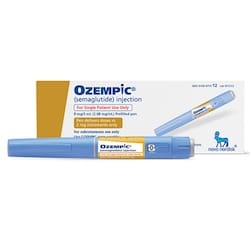
When you pull up a spreadsheet to compare Ozempic with its compounded counterparts, the disparity is nothing short of shocking. The brand-name versions are often subject to the whims of supply and demand, which can drive monthly out-of-pocket expenses well north of $1,000 if insurance decides to play hardball. It is a heavy lift for any household budget to sustain long-term.
Compounded semaglutide, however, enters the fray as a budget-friendly alternative. By utilizing the active ingredient in a custom-mixed format, these options can slash monthly costs by hundreds, if not thousands, of dollars. It is essentially the difference between buying a designer handbag and finding a high-quality inspired version that gets the job done for a fraction of the price.
However, this savings comes with a caveat. Because these are not the exact same manufactured product as the brand-name pills or injections, you are effectively trading the peace of mind of FDA-standardized manufacturing for a much more accessible price point. It is a trade-off that many patients find themselves weighing heavily every single month.
To give you a clearer picture of the current market, I have put together a quick comparison of how these various options stack up in terms of your monthly commitment.
| Option Type | Estimated Monthly Cost | Primary Benefit | Typical Terms |
|---|---|---|---|
| Brand-Name Ozempic | $1,000+ | FDA-Approved Safety | Pharmacy Pickup/Mail |
| Telehealth Subscription | $200 – $500 | Convenient Delivery | Monthly Renewal |
| Compounded Semaglutide | $150 – $400 | Significant Savings | Varies by Provider |
| Introductory Offers | $99 – $129 | Low Barrier Entry | First Month Only |
Telehealth companies have mastered the art of the subscription. They know that weight management is a marathon, not a sprint, so they build their business models around recurring revenue. You might see a tempting $99 price tag on a social media ad, but don’t let your guard down just yet. That is often the “honeymoon phase” of the relationship.
Once that initial month passes, the price often steps up to a standard monthly rate. You should always read the fine print to see if you are signing up for a commitment that requires a 3-month or 6-month notice to cancel. It is a bit like a gym membership; the entry is cheap, but the long-term commitment is where they make their real money.
Many providers also offer seasonal discounts to capitalize on New Year’s resolutions or summer body goals. We have seen everything from “Freedom to Feel Healthy” sales to massive percentage-off deals during holiday weekends. If you are on a tight budget, timing your first order with one of these promotional windows can save you a significant chunk of change upfront.
It is also worth noting that some companies are moving toward tiered pricing. You might pay less for a lower dosage or a different delivery method, such as a pill versus an injection. Always check if the price you see includes the cost of the consultation or if there is a separate “membership fee” lurking in the shadows.
The elephant in the room is always insurance. If you can get your provider to cover your prescription, you are sitting on a gold mine. A well-negotiated plan can turn a thousand-dollar monthly burden into a manageable co-pay. However, getting GLP-1 drugs covered for weight loss specifically can feel like trying to squeeze water from a stone.
Many insurance companies have strict “medical necessity” guidelines that require you to meet specific BMI thresholds and have existing comorbidities. If you don’t check all their boxes, you might find yourself paying the full retail price regardless of how good your insurance plan is. It is a frustrating hurdle that often dictates the entire direction of a patient’s treatment plan.
In the long run, you have to consider the total cost of ownership. This includes the medication itself, the shipping costs, the potential for lab work, and the cost of doctor visits. When you add it all up, the “cheap” option might still feel quite expensive after a year of continuous use. Planning your finances with a multi-month horizon is the only way to stay afloat.
For more information on the complexities of the current shortage and the rise of these online options, you can read the full investigation at this detailed report from WIRED. Understanding the landscape is the first step toward making an informed, and affordable, decision.
Navigating the digital pharmacy landscape feels a bit like wandering through a neon-lit bazaar. One minute you are looking at a simple subscription, and the next, you are faced with a dozen different providers, each claiming to have the “secret sauce” for weight management. It can be truly overwhelming for anyone trying to find a reliable path to health.
The market has exploded recently because these companies have turned a complex medical process into something as easy as ordering a pizza. While this convenience is a godsend for many, it also means you have to do your homework. You want to ensure you are dealing with a legitimate service rather than a digital ghost.
Understanding the nuances of these platforms is essential before you hand over your credit card details. Some focus on sheer speed, while others prioritize a more traditional, clinical feel. We have broken down the heavy hitters to help you see which model aligns best with your personal health goals and your wallet.
Hims & Hers has become a household name in the telehealth space, largely due to its polished, user-friendly interface. They have mastered the art of the “asynchronous” visit, which means you aren’t necessarily sitting on a video call with a doctor. Instead, you answer a series of detailed health questions and upload any necessary documentation.
This model is a dream for busy professionals who can’t carve out an hour for a live appointment. You simply complete the intake on your own time, and a licensed provider reviews your data behind the scenes. It is efficient, streamlined, and designed to fit into a hectic lifestyle without any friction or delays.
However, there is a catch to this “on-demand” style of care. During testing, Hims was notably selective, sometimes opting to recommend alternative weight-loss combinations—like metformin or B12—rather than direct semaglutide. If you are specifically looking for a GLP-1, you might find their vetting process a bit more restrictive than other competitors.
If you find the idea of a faceless medical review a bit unsettling, Henry Meds might feel like a breath of fresh air. They differentiate themselves by offering synchronous video consultations. This means you actually get to look a doctor in the eye via your webcam, allowing for a much more human connection.
This real-time interaction can be a game-changer for your treatment plan. For instance, during a recent evaluation, a practitioner used the video call to steer a patient away from an oral pill and toward the injectable version. The doctor noted that the injection had much stronger evidence of efficacy, a nuance that might have been lost in a text-only questionnaire.
While the extra step of a video call might seem like a hurdle, it provides a layer of clinical confidence. You aren’t just a set of checkboxes on a screen; you are a patient receiving tailored advice. For those who want to ensure their dosage and delivery method are truly optimized, that extra conversation is worth the few minutes of effort.
Ro has carved out a massive niche by offering very low entry points, often advertising an introductory month for as little as $99. This low barrier to entry is incredibly tempting when you are just starting your weight loss journey. It lowers the “sticker shock” and makes the decision to try the medication much easier.
The downside is the classic subscription model that most telehealth giants utilize. Once the initial “honeymoon phase” of that $99 month ends, you may find yourself locked into a standard monthly rate that is significantly higher. It is vital to read the fine print to see if you are signing up for a long-term commitment.
Ro does implement safety guardrails, such as requiring metabolic health lab tests if a provider deems it necessary. This adds a layer of medical oversight to their process. Before you dive in, always calculate the “total cost of ownership” over six months, not just the first month, to avoid any nasty financial surprises.
Not every platform follows the same playbook. For example, Alan Meds prides itself on a very rapid intake process, claiming it takes only about five minutes to get started. They focus heavily on the “value” proposition, often using aggressive marketing to highlight how much more affordable they are than brand-name drugs.
On the other hand, companies like ReflexMD and Henry Meds tend to lean into the medical necessity aspect. They aim to provide the “active ingredient” found in medications like Ozempic through compounded versions. This allows them to offer a more accessible price point while still maintaining a structured medical review process.
The ease of the digital intake process varies wildly between these options. Some will ask for full-body photographs and a copy of your driver’s license to verify your identity and BMI. Others might skip the visual verification and rely solely on your self-reported data, which can lead to different levels of clinical scrutiny.
When comparing these providers, keep this quick reference in mind:
| Provider | Consultation Style | Primary Vibe |
| Henry Meds | Synchronous Video | Clinical & Personalized |
| Hims & Hers | Asynchronous | Fast & Convenient |
| Ro | Hybrid/Lab-Focused | Subscription-Driven |
| Alan Meds | Rapid Intake | Value-Oriented |
>
Stepping into the digital pharmacy landscape can feel like walking into a maze without a map. You might start with a simple landing page, but before you see a single vial, you must navigate a series of medical hurdles. It isn’t as simple as adding an item to a digital shopping cart and clicking “buy” like you would for a new pair of sneakers.
The process typically begins with a digital medical questionnaire. These forms are the gatekeepers of the entire experience. You will be asked to disclose your height, weight, age, and various health markers. It feels a bit like a job interview, only the stakes are your personal health and long-term metabolic wellness.
While these forms are designed to ensure safety, they can feel repetitive. Some platforms might ask you to upload a photo of yourself to verify your physical appearance or even your BMI. It is a strange modern reality where you might need to take a full-body selfie just to prove you meet the clinical requirements for a prescription.
If you find yourself stuck on a question about your medical history, don’t sweat it. Most providers offer support, but they need accurate data to protect you. If you are curious about the broader medical context of these medications, this resource offers helpful insights into how these drugs function within the body.
Getting a prescription isn’t just about wanting to drop a few pounds for a wedding; it’s about meeting strict medical criteria. Providers generally look for a specific Body Mass Index (BMI) to justify the use of semaglutide. Typically, this means a BMI of 30 or higher, or a BMI of 27 if you have other weight-related health issues.
These “comorbidities” are the extra factors that tip the scales in your favor. Doctors are looking for signs of Type 2 diabetes, high blood pressure, or high cholesterol. Without these clinical markers, many reputable telehealth platforms will simply decline your request, acting as a safety net to prevent off-label misuse of the medication.
It is a fine line between accessibility and clinical responsibility. Some companies might be a bit more lenient, while others act like strict librarians. If your BMI is hovering right on the edge, be prepared for a more intense review process to ensure you truly fall within the prescribed medical guidelines.
The goal is to ensure the medication is actually doing its job for someone who needs it. It’s not just about hitting a number on a scale; it’s about managing a complex biological system. This scrutiny is what separates a legitimate medical service from a mere online retail shop.
Not every provider will demand a blood test, but many will if your history looks a bit murky. These labs check your metabolic health, including blood sugar levels and kidney function. Some services will send you an at-home collection kit, while others might require you to visit a local lab like Quest Diagnostics.
Then, there is the question of how you actually speak to a doctor. You have two main paths: asynchronous or real-time visits. Asynchronous visits are the “fast lane,” where you record a video or answer text questions, and a doctor reviews them later. It’s incredibly convenient for a busy schedule, but it lacks the human touch.
Real-time video visits are a different beast entirely. You get to look a practitioner in the eye via your webcam. This “synchronous” interaction allows for a two-way conversation where you can ask, “Is this the right dose for me?” or “What should I do if I feel nauseous?” It provides a layer of comfort that text boxes simply cannot match.
Ultimately, the choice depends on your preference for speed versus depth. If you want a personalized treatment plan that feels tailor-made for your body, a live video call is worth the extra fifteen minutes of your time. It turns a transaction into a true medical encounter.
Before you can move to the checkout phase, you’ll need to have your paperwork in order. Most legitimate platforms will require a valid government-issued ID, such as a driver’s license or passport. This isn’t just red tape; it’s a crucial step to prevent identity theft and ensure the prescription is tied to a real person.
You will also need to provide a detailed health history. This includes a list of any medications you are currently taking, whether they are prescription, over-the-counter, or even herbal supplements. Mixing certain drugs with semaglutide can lead to complications, so being thorough is your best defense against adverse reactions.
Lastly, be prepared for the financial documentation. You’ll need a valid credit card to finalize the transaction. While many companies offer low introductory rates, such as an initial month for $99, the standard monthly cost can shift. Always keep a close eye on your statements to ensure you aren’t surprised by unexpected charges.
The process is designed to be a thorough vetting, not a quick sale. By providing accurate ID and a clear health history, you help the medical team provide the safest possible care. It’s a bit of a climb, but it ensures you are on the right path toward your health goals.
When you decide to order, the first thing you’ll notice is the variety in how the medication actually arrives. You aren’t just looking at a pill bottle; you’re looking at different delivery systems. Some patients prefer the convenience of an oral tablet, while others stick to the traditional injection method. It is a bit like choosing between a quick snack and a full meal—both serve a purpose, but the experience is entirely different.
The injectable version typically arrives as a liquid in a vial or a pre-filled pen. This is the most common way people receive their dose. On the other hand, oral semaglutide is a pill. However, it is important to remember that no oral semaglutide has ever been officially FDA-approved specifically for weight loss. Doctors often steer patients toward the injectable route because the clinical evidence for efficacy is much stronger in that format.
Choosing between them often comes down to your lifestyle and how your body reacts to different delivery methods. Some find the ritual of a weekly injection easy to manage, while others find a daily or weekly pill much less intrusive. It’s your journey, and you’ll want to work closely with your provider to see which “vehicle” gets the medicine into your system most effectively.
Compounding pharmacies are the unsung heroes of this supply chain. Unlike big-name manufacturers that churn out mass quantities in giant factories, these pharmacies act more like boutique bakers. They take the active ingredient and mix it into a custom formula. This process allows them to create versions that are much more affordable than the brand-name alternatives found in big-box retail pharmacies.
When your order is ready, the pharmacy follows specific protocols to ensure the product stays potent. They don’t just toss a bottle in a padded envelope and call it a day. Most shipments include specialized packaging designed to maintain a stable temperature. Since these medications can be quite sensitive to heat, the logistics must be handled with a gentle, steady hand to ensure you get exactly what you paid for.
You might notice that the packaging looks a little different from what you’d see at a local drugstore. Because these are custom-mixed, they don’t come in the flashy, trademarked boxes of the major pharmaceutical giants. Instead, you’ll get professional, clinical-looking supplies. While they lack the celebrity branding, the focus is entirely on the stability and integrity of the liquid or tablet inside.
If you are looking for the most cost-effective way to manage your supplies, you can check out cheapest options through vetted providers. It is always worth comparing the total cost of your monthly shipment to ensure you are getting a fair deal on your prescription.
Once you hit that “order” button, the clock starts ticking. Shipping timelines can vary wildly depending on whether your pharmacy is local or across the country. Typically, you can expect your package to arrive within 5 to 10 business days. It isn’t an overnight process, so patience is a virtue when you are waiting for your first shipment to arrive at your doorstep.
Most reputable telehealth services will provide you with a tracking number via email or text. This is your lifeline. You can watch your package move from the pharmacy to the regional distribution center and finally to your local carrier. It’s a bit like tracking a pizza delivery, but with much higher stakes and much more important contents. Keeping an eye on that status is essential for planning your first dose.
If your shipment seems to be stuck in limbo, don’t panic immediately. Sometimes, weather or high seasonal demand can cause a slight hiccup in the delivery chain. If you haven’t seen an update in several days, a quick call to the provider’s customer service line can usually clear up the mystery. They are used to these questions and can usually tell you exactly where your meds are.
Handling liquid semaglutide at home requires a bit of a “science lab” mindset. You aren’t just dealing with water; you are dealing with a potent biological compound. Always wash your hands thoroughly before handling any syringes or vials. It sounds simple, but hygiene is your first line of defense against accidental contamination of your medication.
Storage is where many people trip up. Most of these medications are quite picky about temperature. You’ll want to keep them in a cool, dark place—often the refrigerator is the safest bet. Leaving a vial on a sunny windowsill or in a hot car is a recipe for disaster. If the liquid looks cloudy or has changed color, do not use it; contact your doctor immediately.
When it comes to the actual injection, always use a fresh, sterile needle every single time. Never, under any circumstances, share needles or even reuse a needle from a previous dose. It is a small detail that carries massive weight for your safety. Think of it as a non-negotiable rule of the road for your health management.
It is important to distinguish between “brand-name” products and “compounded” versions. When people talk about “dupes,” they are referring to these compounded alternatives. The packaging for a compounded medication won’t feature the same logos or stylized fonts you see in TV commercials. This can be confusing if you were expecting a specific, recognizable box from a major corporation.
The key difference lies in the source and the label. Brand-name products are manufactured by massive companies like Novo Nordisk. Compounded products are created by pharmacies to fill gaps in availability. While they contain the same active ingredient, the “look and feel” of the container will be much more utilitarian and clinical. If the packaging looks a bit “plain,” that is often because it is a custom mix.
Always verify that your pharmacy is providing a legitimate, compounded version of the medication you were prescribed. If a package arrives that looks like a cheap knockoff or an imitation of a brand name, treat it with extreme caution. You want the “dupe” to be a functional equivalent in chemistry, not a deceptive imitation in appearance. When in doubt, ask your provider for a breakdown of the packaging.
Navigating the world of weight-loss medications can feel like walking through a minefield without a map. While many people are eager to find a solution, the distinction between a standard generic and a compounded drug is a massive, often misunderstood, gap. It is not just a matter of a different label on the bottle.
A generic drug is a direct, FDA-approved equivalent to a brand-name medication. Once a patent expires, other manufacturers can produce the exact same chemical formula. This process is strictly regulated to ensure every pill performs the same way as the original. It is a predictable, standardized path for patients seeking affordable alternatives.
Compounded drugs, however, are a different beast entirely. These are custom-mixed batches created by a pharmacist to meet a specific patient’s needs or to fill a void in the market. While they are legal under certain conditions, they do not undergo the same rigorous FDA approval process that you see with mainstream medications. They are essentially bespoke creations rather than mass-produced standards.
The current landscape has been heavily influenced by the massive demand for GLP-1 medications. Because Ozempic and similar drugs have faced significant shortages, the FDA allows compounding pharmacies to step in. This is an intentional policy designed to ensure that patients with critical needs aren’t left without any options at all.
However, the FDA’s stance is one of cautious observation. The agency has explicitly warned that they do not evaluate compounded semaglutide for safety, quality, or efficacy before it hits the market. This means the burden of proof regarding how well the drug works or how pure it is shifts significantly toward the pharmacy and the patient.
It is a delicate balancing act. On one hand, compounding prevents a complete vacuum in the supply chain. On the other hand, the lack of pre-market testing means you are essentially trusting the pharmacy’s internal protocols. As the FDA has noted, some products sold as “semaglutide” might not even contain the active ingredient you expect to receive.
The internet is a wild frontier, and unfortunately, not everyone operating there has your best interests at heart. Unlicensed or unverified pharmacies are a major red flag. These “bad actors” often swoop in during high-demand periods, preying on people’s desperation for a quick fix. They might offer prices that seem too good to be true, but they often deliver nothing but trouble.
The risks associated with these rogue players are not just financial; they are physical. We have seen cases where contaminated or improperly mixed compounded medications led to serious health crises, including outbreaks of meningitis in the past. When a pharmacy operates outside of legal oversight, there is no guarantee that the liquid in your vial is actually what it claims to be.
If a website looks shady, lacks clear contact information, or refuses to provide a physical address, walk away. It is much better to pay a bit more for peace of mind than to risk your health on a counterfeit product. Your body is not a testing ground for unverified substances found on a random social media ad.
If you are using a telehealth service to manage your prescriptions, you need to do your due diligence. A legitimate provider should always have a clear, transparent process for vetting patients. This often includes a medical consultation—sometimes via video—to ensure the medication is actually appropriate for your specific health profile.
A reputable company won’t just take your word for it; they should be asking for medical history or requiring metabolic lab tests. If a provider is willing to ship medication after a five-minute quiz without any real human interaction or blood work, be extremely wary. True medical care requires a baseline of data to ensure you aren’t being prescribed something dangerous.
Always look for a professional, clinical approach. For more information on how medical professionals evaluate these treatments, you can visit Weight Watchers to see how legitimate clinical discussions regarding Ozempic are structured. This can help you distinguish a real medical service from a mere retail shop.
Another essential gold standard is the LegitScript certification. This is a widely recognized seal of approval in the telehealth industry. Many major platforms, like Meta, actually require this certification before allowing pharmacies to run advertisements. If you don’t see this seal, you should proceed with extreme caution.
Think of LegitScript as a background check for your pharmacy. It verifies that the business is operating legally and following industry standards. In a market where fraud is rampant, this certification is one of the most reliable ways to ensure you are dealing with a legitimate medical entity rather than a scam artist.
| Verification Step | What to Look For | Warning Sign |
| LegitScript | Official certification seal on website | No mention of certification or “verified” status |
| Medical Consultation | Real-time video or thorough doctor review | Instant approval with no human interaction |
| Lab Work | Requirement for blood tests or BMI verification | No medical history or lab work requested |
Stepping into the world of GLP-1 agonists is a bit like embarking on a long sea voyage; you need to know what the waters might hold. Many users report a persistent sense of nausea, often feeling like they have a heavy stone sitting in their stomach. This is frequently accompanied by digestive hiccups, such as indigestion, bloating, or the occasional bout of diarrhea or constipation.
Some people find that their appetite vanishes so completely it feels almost jarring. While weight loss is the goal, this sudden lack of hunger can lead to unexpected fatigue if you aren’t careful with your nutrition. It is vital to listen to your body’s signals. If you feel dizzy or lightheaded, your blood sugar or hydration levels might be taking a dip.
Managing these issues often requires a slow and steady approach. Doctors usually suggest starting with a low dose and titrating upward to let your system adjust. Eating smaller, more frequent meals can help mitigate that “sea sickness” feeling in the gut. If side effects become severe or unmanageable, don’t try to power through them alone; reach out to a professional immediately.
When things go wrong, there is a system in place to track it, but it isn’t a perfect mirror of reality. The FDA’s Adverse Event Reporting System (FAERS) is the primary watchdog, yet it relies heavily on voluntary reporting. This means many incidents never make it into the database, creating a “blind spot” in the overall safety profile of these medications.
It is a bit of a catch-22. On one hand, the data helps identify patterns; on the other, the FDA has noted that reports in FAERS don’t always prove a direct cause-and-effect relationship. A report might show an event happened after taking a drug, but it doesn’t necessarily mean the drug was the culprit. This nuance is incredibly important when reading through medical data.
Because of these gaps, clinicians often look at broader trends rather than isolated reports. For those using compounded versions, the stakes are even higher. Since these aren’t the exact same formulations as the brand-name versions, the reporting data for the “standard” drug might not accurately reflect what you are experiencing with a custom mix.
In the current “medical gold rush,” the sheer volume of products makes oversight a daunting task. When you move away from the big pharmaceutical giants, you enter a territory where quality control is essentially a pinky promise. There is a real risk of receiving a product that is either under-dosed or, even worse, contains entirely different substances.
To stay safe, you must be your own first line of defense. Always check the packaging for clear labeling, expiration dates, and batch numbers. If the liquid in your vial looks cloudy, has unusual particles floating in it, or has changed color, stop using it immediately. These are classic signs of potential contamination or improper storage.
The danger of a “counterfeit” experience is real. Some products sold online are essentially “ghost” medications—they look like the real thing but lack the active ingredient altogether. This is why verifying the source is paramount. You can learn more about the complexities and risks of the current market through this investigative report from WIRED.
Think of a doctor not as a gatekeeper, but as a co-pilot for your health. Using these medications without professional oversight is like flying a plane in a storm without radar. A physician can monitor your metabolic markers, check your kidney function, and ensure that the weight loss isn’t coming at the cost of something more serious, like gallbladder issues.
Legitimate telehealth providers should do more than just send a digital questionnaire. They should ideally require lab work to establish a baseline of your health. If a service makes it too easy to bypass medical scrutiny, they are likely prioritizing their bottom line over your safety. Real medicine requires a conversation, not just a transaction.
A doctor’s role also includes helping you navigate the psychological aspect of rapid weight loss. The mental shift that accompanies a change in appetite can be significant. Having a medical professional to help manage the transition ensures that your journey is sustainable and, most importantly, safe for your long-term well-being.
| Risk Factor | What to Watch For | Action Step |
| Contamination | Cloudy liquid or unexpected sediment | Discard immediately and report |
| Dosage Error | Extreme nausea or rapid heart rate | Contact provider immediately |
| Counterfeit Product | No weight loss or unexpected side effects | Verify pharmacy credentials |