Buy Eliquis Apixaban Online: Compare Best Prices and Save
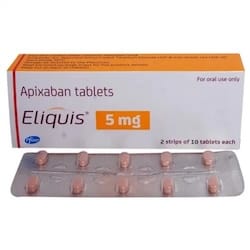
Navigating the labyrinth of prescription drug pricing can feel like a losing battle for many patients. In the United States, the price tag for Eliquis often strikes like a lightning bolt to the wallet. Without the cushion of robust insurance, many find themselves staring at a bill that exceeds $6.00 for a single tablet.
This high cost creates a significant barrier for those requiring long-term anticoagulation therapy. It is a heavy burden to carry, especially when the medication is a vital lifeline for preventing strokes. Many patients find themselves caught between the necessity of their health and the reality of their bank accounts.
However, looking across the border or toward international markets reveals a starkly different landscape. The price gap is not just a crack; it is a canyon. By exploring options outside the immediate U.S. retail system, the financial weight of managing a chronic condition can become significantly lighter.
In the American market, the lack of strict price regulation often means that pharmacies can set prices at whatever the market will bear. This “wild west” approach to pricing can lead to massive discrepancies between different providers. It is a frustrating reality for anyone trying to budget for essential medicine.
Patent protections play a massive role in keeping these costs sky-high. Because brand-name manufacturers hold exclusive rights for extended periods, they can maintain high prices without the immediate pressure of competition. It is a legal shield that keeps prices elevated, leaving patients to pick up the tab.
Because of these protections, generic apixaban is currently stuck in a legal stalemate in the States. While it is available elsewhere, U.S. patients are often forced to wait until at least 2028 to see widespread availability of a cheaper generic version. It feels like waiting for a train that is perpetually delayed.
This delay forces many to rely on expensive brand-name prescriptions. For those without insurance coverage, the monthly expense can become a mountain that is impossible to climb. This is why many are turning their eyes toward international alternatives to find relief.
When you shift your focus to Canadian or international pharmacies, the numbers tell a much more hopeful story. Instead of paying a premium for the brand name, patients can access generic apixaban at a fraction of the cost. It is like finding a hidden path through a dense forest.
One of the most effective ways to drive down the per-unit price is by buying in bulk. Purchasing larger quantities allows the cost per tablet to plummet. For example, ordering a larger supply can bring the cost down from nearly $2.00 all the way to about $1.08 per tablet.
The following table illustrates how the total cost changes based on the quantity and type of medication you choose to order through international channels:
| Medication Type & Quantity | Price Per Tablet | Estimated Total Cost |
|---|---|---|
| Brand-name Eliquis (56 tablets) | $1.91 | $107 |
| Brand-name Eliquis (168 tablets) | $1.39 | $234 |
| Generic Apixaban (60 tablets) | $1.50 | $90 |
| Generic Apixaban (180 tablets) | $1.08 | $195 |
The savings are not just marginal; they are transformative. For a patient requiring a 3-month supply, the difference between U.S. retail prices and international bulk orders can amount to hundreds of dollars. It is the difference between struggling to make ends meet and having peace of mind.
For more detailed information on navigating these costs, you can visit this Eliquis resource. Finding the right balance between cost and convenience is key to long-term adherence to your medication schedule.
Navigating the high costs of blood thinners often feels like walking a tightrope without a safety net. For many, the sticker shock of brand-name prescriptions can be a heavy blow to the monthly budget. Fortunately, the landscape is shifting as more accessible options enter the market, providing a much-needed lifeline for those managing long-term anticoagulation therapy.
While the United States faces a waiting game due to patent protections, the rest of the world is moving much faster. Generic apixaban is already a reality in Canada and various international markets. This availability means patients don’t have to wait until 2028 to find significant relief from the crushing weight of retail drug pricing.
By looking toward international suppliers, you can bypass the localized price spikes seen in American pharmacies. It is not just about finding a cheaper alternative; it is about reclaiming control over your healthcare spending. Exploring these global markets can turn a daunting monthly expense into a manageable part of your wellness routine.
The availability of generic apixaban depends heavily on where you cast your net. In Canada, the generic version is legally available and widely used, offering a direct alternative to the expensive brand-name option. This allows patients to access the same active ingredients without paying the “brand name tax” that dominates the U.S. market.
International markets, particularly in regions like India or Turkey, offer even more diverse pricing structures. While U.S. retail pharmacies might charge upwards of $6.00 per tablet, international suppliers often provide options that are a mere fraction of that cost. This creates a massive price gap that favors those willing to shop across borders.
However, it is vital to do your homework before clicking “buy.” Not all international pharmacies are created equal, and verifying the legitimacy of a provider is essential for your safety. You can use tools like PharmacyChecker to help navigate the complexities of international pricing and ensure you are getting a reliable product.
Understanding these regional differences is the first step toward significant savings. Whether you are looking at Canadian pharmacies or overseas distributors, the core benefit remains the same: access to medication that fits your budget. It is about finding the sweet spot between affordability and peace of mind.
When you sit down to compare your options, the math becomes incredibly clear. The brand-name Eliquis carries a premium that reflects its marketing and patent status, whereas generic apixaban focuses on the essential science. For many, the transition to generic is a “no-brainer” once the numbers are laid out on the table.
The following comparison illustrates the price per tablet for generic apixaban versus the brand-name Eliquis when ordering through international channels. You will notice that even at smaller quantities, the generic option holds a significant advantage in terms of total cost savings.
| Medication Type & Quantity | Price Per Tablet | Estimated Total Cost |
|---|---|---|
| Brand-name Eliquis (56 tablets) | $1.91 | $107 |
| Brand-name Eliquis (168 tablets) | $1.39 | $234 |
| Generic Apixaban (60 tablets) | $1.50 | $90 |
| Generic Apixaban (180 tablets) | $1.08 | $195 |
As the table shows, the generic version consistently edges out the brand name on price. If you are on a fixed income, those few cents per tablet can add up to hundreds of dollars over the course of a year. It is a small change that makes a massive impact on your overall financial health.
It is important to remember that generic apixaban contains the same active ingredient as Eliquis. You aren’t sacrificing the quality of your medication to save money; you are simply choosing to stop paying for the fancy packaging and the brand name’s marketing budget. It is a smart, strategic move for any savvy patient.
If you want to truly squeeze every cent of value out of your prescription, bulk ordering is your best friend. Think of it like buying in large quantities at a wholesale club; the more you grab at once, the lower the price per unit becomes. This strategy is particularly effective with generic apixaban.
For instance, purchasing a smaller 60-tablet supply might cost you around $1.50 per tablet. However, if you step up to a larger 180-tablet order, that price can plummet to as low as $1.08 per tablet. This reduction is a game-changer for anyone requiring long-term, daily medication for their health.
While buying in bulk requires a larger upfront investment, the long-term savings are undeniable. It prevents the “subscription fatigue” of placing multiple small orders and ensures you aren’t left scrambling—or overpaying—when your current supply runs low. It is about being proactive rather than reactive with your healthcare logistics.
By combining the choice of a generic manufacturer with a bulk purchasing strategy, you create a “double win” for your wallet. You are attacking the high cost from two different angles: lowering the base price and maximizing the quantity. This is the most efficient way to ensure your life-saving medication remains affordable for years to come.
Think of Eliquis as a specialized shield for your circulatory system. It works by preventing the formation of dangerous clots that can cause catastrophic events like strokes. Doctors don’t just hand this out on a whim; they use it as a targeted defense mechanism for patients facing various cardiovascular risks. It is a cornerstone of modern anticoagulant therapy.
One of the primary reasons patients rely on this medication is to manage atrial fibrillation. This irregular heartbeat can cause blood to pool and clot within the heart. By thinning the blood, Eliquis significantly lowers the risk of a stroke. It is a vital tool for anyone navigating the complexities of heart rhythm issues and long-term cardiovascular health.
Beyond heart rhythm issues, this medication is a lifesaver for those dealing with blood clots in the extremities or lungs. It is frequently used to treat Deep Vein Thrombosis (DVT) and Pulmonary Embolism (PE). Whether you are recovering from a major surgery or managing a chronic condition, understanding these indications is the first step to effective management.
The medication also plays a crucial role in preventing new clots from forming after a major event. For patients who have already experienced a DVT or PE, the goal is to keep the blood flowing smoothly. This preventative approach ensures that a previous health crisis doesn’t turn into a recurring nightmare for the patient.
Dosing is not a one-size-fits-all affair; it is a tailored approach designed by your healthcare provider. Depending on your specific medical history, weight, and age, the milligram dosage can vary significantly. Your doctor will determine the exact regimen that offers the best protection with the lowest risk of bleeding.
Commonly, you might see a 5 mg dose taken twice a day for conditions like atrial fibrillation. However, for certain patients, a 2.5 mg dose might be more appropriate to balance efficacy and safety. It is essential to follow the specific instructions provided by your physician to ensure the medication works as intended.
When it comes to treating an active clot, the protocol can be more intense. A doctor might prescribe 10 mg twice daily for the first seven days, before transitioning you to a 5 mg maintenance dose. This “loading” phase helps get the medication levels into your system quickly to tackle the immediate threat.
For those recovering from hip or knee replacement surgery, the dosing is often lower to prevent clots from forming in the legs. In these cases, 2.5 mg twice daily is a common standard. Always remember that your dose is a personal prescription, and you should never adjust it without professional medical guidance.
For more information on sourcing your prescription safely, you can explore this resource.
Consistency is the name of the game when it comes to anticoagulants. To keep the levels of medication in your bloodstream steady, you should take your doses at the same time every single day. Think of it like a scheduled appointment with your health; skipping beats can lead to gaps in protection.
If you happen to miss a dose, don’t panic, but do act quickly. If it has only been a few hours, take the missed pill as soon as you remember. However, if you realize it is almost time for your next dose, it is better to simply skip the missed one. Timing is everything in maintaining that therapeutic window.
A golden rule to keep in mind is to never double up. If you miss a dose, do not take two pills at once to “catch up.” This could significantly increase your risk of bleeding. It is always better to stay on track with your regular schedule than to attempt to compensate for a mistake.
Establishing a routine, perhaps by taking your pill alongside breakfast or brushing your teeth, can make a world of difference. When you treat your medication as a non-negotiable part of your daily ritual, you minimize the risk of human error. Staying disciplined is your best defense against the risks of clotting.
While most people swallow their tablets whole without a second thought, there are times when that isn’t possible. If you experience significant swallowing difficulties, do not simply struggle through it. There are safe ways to administer the medication, but they must be done correctly to ensure you get the full dose.
Tablets can be crushed and mixed with a small amount of water, apple juice, or even applesauce. This makes it much easier for those with dysphagia to take their medicine. The key is to ensure the entire mixture is consumed so that no part of your vital dose is left behind in the bowl.
However, you should never attempt to crush or dissolve your pills without first confirming this is safe with your pharmacist or doctor. Some medications have coatings that are vital for how they break down in your stomach. Always verify the administration method to prevent the medication from losing its effectiveness or causing irritation.
If you find that the taste is unpleasant when mixed with food, try a thicker substance like yogurt. The goal is to make the process as seamless and painless as possible. Your comfort and your ability to take every dose accurately are both paramount to your long-term recovery and safety.
Navigating life with an anticoagulant can feel like walking a tightrope. While the medication is a vital shield against strokes and dangerous clots, it essentially turns down the “stickiness” of your blood. This means you might notice certain physical changes that aren’t necessarily cause for alarm, but they do require your full attention and awareness.
Commonly, you might encounter minor bleeding events. It is not unusual to notice a sudden nosebleed while blowing your nose or perhaps seeing a bit of pink in the sink when brushing your teeth. You might also find that bruises appear more easily after a minor bump that wouldn’t have left a mark before.
Think of these mild symptoms as your body’s way of communicating. They are generally manageable and often resolve on their own. However, keeping a close eye on these small changes helps you stay proactive about your overall health and ensures you are ready to act if things escalate.
While most side effects are minor, some symptoms are “red flags” that demand immediate medical intervention. If you experience sudden weakness, extreme fatigue, or shortness of breath, do not wait until your next scheduled appointment. These can be signs of internal issues that require an urgent professional evaluation.
Pay close attention to your digestive health and bodily functions. For instance, if your stools appear black, tarry, or contain visible blood, or if you notice blood in your urine, contact a doctor immediately. Similarly, heavy or prolonged menstrual cycles in women should be discussed with a healthcare provider as soon as possible.
Serious injuries also require a quick response. If you experience a significant head injury, a fall, or a car accident, seek medical help even if you feel fine initially. Internal bleeding isn’t always visible on the surface, and a professional needs to ensure there is no hidden damage occurring inside.
If you have questions about your specific risk profile, you can find more information on this authority source. Always trust your instincts; if something feels “off” regarding your bleeding levels, it is better to be safe than sorry.
Your lifestyle choices can significantly impact how your medication behaves in your system. For instance, alcohol is a major player in the equation. Drinking can increase your bleeding risk because alcohol itself has a mild blood-thinning effect that compounds the action of your medication.
It is wise to limit alcohol intake to avoid increasing the chance of accidental injury or serious bleeding. Reducing your consumption helps keep your levels stable and minimizes the risk of falls or other traumatic events that could lead to difficult-to-stop bleeding episodes.
Dietary choices are equally important, though perhaps less frequent than medication timing. While many foods are perfectly fine, certain fruits can interfere with how your body processes apixaban. Specifically, you should avoid consuming grapefruit, pomelos, and Seville oranges regularly.
These citrus fruits can alter the way your liver processes the drug, potentially leading to higher levels of the medication in your bloodstream than intended. If your diet is already heavy in these fruits, have a heart-to-heart with your doctor about how to adjust your nutrition safely.
| Category | What to Watch For | Action Required |
| Mild Risks | Nosebleeds, gum bleeding, easy bruising | Monitor and observe |
| Serious Risks | Black stools, coughing blood, sudden weakness | Seek immediate medical help |
| Dietary Risks | Grapefruit, Seville oranges, Pomelos | Avoid or consult doctor |
Stepping into the world of international pharmacy orders can feel like walking through a fog without a compass. You know you want to save money, but the sheer variety of shipping labels and origin countries can leave anyone feeling a bit lost. It is not just about finding the lowest price; it is about knowing what happens after you click that “buy” button.
Before you commit, you must look closely at the fine print regarding logistics. Many pharmacies offer different tiers of service, ranging from slow, budget-friendly postal routes to rapid, tracked courier services. While the cheaper option might save you a few bucks now, it often lacks the real-time updates that give you peace of mind during a long transit.
Always verify the estimated delivery window provided by the vendor. A “standard” shipment might take weeks, whereas “expedited” could arrive in days. If you are running low on your current supply, aim for a buffer. You never want to find yourself staring at an empty pill bottle while your package is still stuck in a customs warehouse halfway across the globe.
Price tags on international websites can sometimes be a bit of a “wolf in sheep’s clothing.” You might see a fantastic price per tablet, but that number doesn’t always tell the whole story. It is vital to account for the extra baggage that comes with international shipping, specifically regarding duties and local taxes.
Customs officials often decide that your package deserves a “toll” before it reaches your doorstep. These import duties are not set by the pharmacy but by your local government. If you aren’t careful, a $150 order could suddenly transform into a $200 headache once a delivery driver asks for a customs fee upon arrival.
To avoid being blindsided, look for pharmacies that clearly state if duties are included or if they are “detected at checkout.” Some vendors offer free standard shipping, but they might still tack on those extra fees later. Always do the math on the total final cost, including shipping and potential taxes, before you pull the trigger on a large bulk order.
When ordering medication like eliquis, you aren’t just shopping for vitamins; you are engaging in a regulated medical transaction. Even when buying from overseas, a valid prescription is the golden ticket. It acts as your legal shield, ensuring that the medication you receive is appropriate for your specific medical history.
Reputable international pharmacies will require you to upload a digital copy of your prescription or have a consultation with a licensed professional. If a website tells you that no prescription is needed, consider that a massive red flag. It is like buying a car without checking the brakes; you might get a deal, but the risks are far too high.
Using a prescription ensures you are getting the correct dosage and the right active ingredients. For many, the goal is to save money on generic apixaban, but that savings is worthless if the medication is not legitimate or safe. Always prioritize pharmacies that follow strict protocols regarding medical documentation and doctor verification.
Deciding where your medication originates is a bit like choosing a flight path; each has its own pros and cons. For instance, many people look toward India or Turkey due to the incredibly low per-tablet costs. In some cases, you might see prices as low as $0.70 per tablet, which is a massive win for your wallet.
However, these low-cost regions often come with different shipping dynamics. From India, you might find standard shipping costs around $14.95, but the transit times can be quite lengthy. Turkey can offer a middle ground, but you must be wary of those pesky “additional import duty fees” that often pop up during the checkout process.
Canada is often viewed as the “gold standard” for those living in the United States. While the per-tablet price in Canada might be higher—sometimes reaching $2.15 or $2.47 per tablet—it is often a much smoother experience. Canadian pharmacies like RxConnected offer a streamlined process that many find worth the slightly higher price tag for the reliability and ease of use.
| Origin Region | Typical Advantage | Potential Drawback |
| India/Turkey | Lowest per-tablet cost (e.g., $0.70-$0.80) | Higher risk of customs duties and longer wait times |
| Canada | Highly reliable and easier shipping to the U.S. | Generally higher cost per tablet compared to India |
Imagine you are driving a car and suddenly decide to take out the brakes just to see what happens. That is essentially what happens if you stop taking your blood thinner without a doctor’s permission. While it might seem like a simple way to avoid bleeding, it is a gamble with your life.
Stopping your medication abruptly can cause a massive spike in clotting risk. For those managing atrial fibrillation or previous clots, this is like opening the floodgates for a stroke or pulmonary embolism. Your physician knows your specific risk profile better than anyone else, so never make changes to your regimen on a whim.
Always treat your dosage schedule as a sacred commitment. If you have a scheduled surgery or even a routine dental extraction on the horizon, your medical team needs to be in the loop immediately. They will weigh the danger of a bleed against the danger of a clot to decide the safest path forward.
Think of your doctor as the navigator of your health journey. If you feel the medication is causing too many side effects, like easy bruising or nosebleeds, voice those concerns. They can adjust the dose or find an alternative rather than having you simply quit “cold turkey.”
If you have a big day at the dentist or a surgical procedure on the calendar, you cannot afford to wing it. Doctors often recommend stopping Eliquis roughly 1 to 2 days before a procedure. However, this is not a one-size-fits-all rule; it depends heavily on the complexity of the surgery.
For a minor dental cleaning, your dentist might not even require you to stop. But for anything involving an incision or significant tissue manipulation, the timing is critical. You must follow your healthcare provider’s instructions to the letter to ensure you don’t bleed uncontrollably during or after the operation.
The goal is to balance two very real threats. On one hand, you have the risk of excessive bleeding during surgery. On the other, you have the risk of a blood clot forming if the medication leaves your system too quickly. Your surgeon and cardiologist will work together to find that narrow “sweet spot.”
When you are preparing for a procedure, keep a detailed log of when you took your last dose. This information is gold for your surgical team. They need to know exactly how much medication is still floating around in your bloodstream to keep you safe under anesthesia.
How long does the drug stay in your system? This is where the concept of “half-life” becomes incredibly important. For Eliquis, the half-life is approximately 12 hours. This means every 12 hours, the amount of the drug in your body is cut in half.
Because of this 12-hour cycle, the drug is usually largely cleared from your system within 2 to 3 days after your very last dose. This predictable timeline is one reason why many doctors find it easier to manage than older, more unpredictable medications. However, individual health factors can still shift this window.
If you are looking for more technical details or want to verify the stability of your supply, you can check resources like pharmacychecker.com/eliquis/. Understanding how your body processes the drug helps you and your doctor time your “washout” period perfectly before a scheduled event.
Remember that your kidneys and liver play a huge role in how quickly you clear the medication. If you have underlying health issues, your body might take longer to “clean out” the drug. Always mention your full medical history, especially any kidney concerns, to your surgical team.
If you have been around the medical world for a while, you might remember the era of Warfarin. Warfarin is a classic, but it can be a real handful. It is famously finicky, requiring constant blood tests to ensure you aren’t on too much or too little. It is a bit like walking a tightrope without a net.
Eliquis is part of a newer generation of drugs called DOACs (Direct Oral Anticoagulants). The biggest difference is the convenience. Unlike Warfarin, which has a long list of “forbidden foods” and many drug interactions, Eliquis is much more laid back. You don’t need those frequent, annoying blood monitoring sessions.
While Warfarin can be cheaper in some very specific scenarios, the “hidden costs” of time, frequent doctor visits, and dietary restrictions often make Eliquis a more streamlined choice for a modern lifestyle. It offers a much more predictable level of protection for your heart and brain.
Of course, every patient’s situation is unique. While many find the freedom of Eliquis to be a breath of fresh air, your doctor is the only one who can decide if this newer, more convenient option is the right tool for your specific medical needs.