Buy Xarelto Rivaroxaban Online: Compare Prices and Save Today
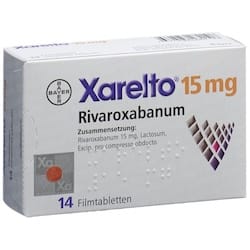
Navigating the world of prescription costs often feels like walking through a maze without a map. When you are managing a long-term condition, the sticker shock of brand-name medications can be quite a heavy blow to the wallet. Many patients find themselves staring at a pharmacy bill, wondering if there is a way to keep the medicine flowing without draining their savings.
The reality is that the price gap between different versions of the same drug can be massive. It is not just about the name on the box; it is about where the medicine was made and how it was distributed. Understanding these nuances is the first step toward making an informed, budget-friendly decision for your ongoing healthcare needs.
For many, the Bayer brand-name Xarelto is a familiar face. It carries a certain prestige and the peace of mind that comes with a global pharmaceutical giant’s reputation. However, that reputation often comes with a premium price tag that can feel like a steep mountain to climb for those on a fixed income or high deductibles.
On the other side of the coin, you have generic Rivaroxaban, such as the version manufactured by Natco Pharma in India. These generics are the workhorses of the industry. They contain the exact same active ingredient, designed to do the same job of blocking Factor Xa to prevent dangerous blood clots from forming in your system.
Choosing between them often boils down to a tug-of-war between brand loyalty and economic necessity. While the brand-name version is a household name, the generic alternative offers a way to maintain your health regimen without the crushing financial weight. It is essentially the same medicine, just wearing a different, much more affordable outfit.
To help you visualize the sheer scale of these cost differences, we have put together a quick comparison of the various strengths available. The following data highlights how much you might save by opting for the generic version over the Bayer brand across different dosages.
| Dosage Strength | Quantity | Generic Price (USD) | Brand Price (USD) |
| 2.5mg | 56 Tablets | $35.00 | $164.00 |
| 10mg | 30 Tablets | $30.00 | $101.00 |
| 15mg | 28 Tablets | $30.00 | $101.00 |
| 20mg | 28 Tablets | $30.00 | $101.00 |
Have you ever wondered why a prescription costs one price in Canada and something entirely different when looking at international sources? The landscape of pharmaceutical pricing is a patchwork of local regulations, manufacturing costs, and regional demand. It is a complex dance of supply and demand that shifts depending on which border you are crossing.
In the United Kingdom and Canada, pricing is often more regulated, providing a level of predictability that can be a relief. However, when you look toward markets like India, the landscape changes dramatically. Indian versions of Rivaroxaban, often sold under names like Rpigat, are frequently much more accessible to the global market due to lower production overheads.
This price gap is not just a minor difference; it is a chasm. While the UK or Canadian versions offer high levels of oversight and familiarity, the Indian versions serve as a vital lifeline for many who simply cannot afford the domestic costs. It is a vital tool for those looking to stretch every single dollar as far as it will go.
If you are looking to navigate these options, it is essential to use reliable sources. You can explore certified options through this Canadian pharmacy to ensure you are getting legitimate medication. Always remember that while saving money is a priority, your safety and the legitimacy of your provider must remain your North Star.
Navigating the different options for your medication can feel like trying to solve a puzzle without the picture on the box. It isn’t just about grabbing any pill from the shelf; it’s about finding the specific strength and format that fits your body’s unique requirements. Your doctor is the ultimate conductor of this orchestra, but knowing your notes helps you stay in tune.
The available strengths of Rivaroxaban are designed to cover a wide spectrum of medical needs. Whether you are managing a high-risk condition or a more routine preventative measure, the dosage is tailored to your specific health profile. Missing the mark on your dose can be like driving a car with a faulty speedometer—you might not realize you are moving too fast or too slow until it is too late.
When you talk to your healthcare provider, they will match the strength to your clinical history. Some patients require a low-dose approach to maintain stability, while others need a more robust intervention. Understanding these variations ensures you are a proactive participant in your own wellness journey rather than a passive passenger.
Most people are familiar with the standard oral tablets, which come in several key strengths. These tablets are the backbone of treatment for many. For instance, the 2.5mg dose is often used for specific preventative needs, while the higher 10mg, 15mg, and 20mg doses are frequently utilized for treating active clots or managing atrial fibrillation. It is a spectrum of care.
However, life isn’t always as simple as swallowing a pill. For some patients, the physical act of swallowing a tablet can become a real hurdle. This is where the oral suspension comes into play. It is a liquid formulation designed specifically for those with swallowing difficulties, providing a way to maintain consistency without the struggle of a hard tablet.
The suspension comes in two specific concentrations: 51.7 mg/100 ml and 103.4 mg/250 ml. This liquid option ensures that even those with dysphagia can follow their prescribed regimen without skipping doses. It is a vital alternative that keeps the medicine flowing smoothly, regardless of physical challenges or dietary restrictions that might arise.
To make sense of the various options, consider how these strengths and formats look in practice. The following list breaks down the common tablet strengths available on the market:
It is crucial to remember that how you take your medication is just as important as the dose itself. For example, the 15mg and 20mg tablets are a bit more “picky” about how they enter your system. These specific strengths must be taken with your evening meal to ensure the body absorbs the medicine effectively. It’s a small habit that makes a world of difference.
In contrast, the 2.5mg and 10mg tablets are much more flexible. You can take these with food or on an empty stomach, which offers a bit more freedom in your daily routine. This flexibility can be a lifesaver for those who struggle with a strict meal schedule or who experience nausea when taking medication on an empty stomach.
Matching your dose to your lifestyle requires a bit of coordination. You should aim to take your medication at the same time every day to keep the levels in your blood steady. Think of it like a steady heartbeat; consistency is the key to preventing the “peaks and valleys” that can affect how well the drug works for your body.
When it comes to the choice between brand-name Xarelto and generic Rivaroxaban, the decision often rests on your personal priorities. For some, the Bayer brand name offers a sense of familiarity and a track record that is hard to ignore. It’s the “tried and true” option that provides peace of mind, especially for those new to anticoagulants.
However, for many others, the choice is driven by the bottom line. The generic versions offer a way to access the same active ingredient without the heavy price tag attached to the brand name. If you are looking for a way to manage your long-term costs, exploring this resource for Xarelto can provide more insight into your options.
Ultimately, whether you choose the brand or the generic, the goal remains the same: keeping your blood flowing smoothly and your health on track. Always consult your doctor before making any switches to ensure the transition is seamless and that the specific brand or generic you choose aligns perfectly with your clinical requirements.
Taking your medication isn’t just about swallowing a pill; it is about how your body greets it. For certain strengths, the presence of food is a non-negotiable requirement to ensure the medicine actually makes it into your bloodstream. Without a meal to aid the process, the absorption levels can drop significantly, leaving you under-protected.
Specifically, the 15mg and 20mg tablets are quite particular about their surroundings. These higher doses must be taken with your evening meal to reach maximum efficacy. Think of food as a vehicle that helps carry the active ingredients through your digestive system. Skipping a meal when taking these specific doses could undermine your entire treatment plan.
On the other hand, the lower doses offer a bit more wiggle room for your daily schedule. The 2.5mg and 10mg tablets are much more forgiving and can be taken either with food or on an empty stomach. This flexibility allows you to tailor your regimen to your natural hunger patterns without worrying about diminishing the drug’s impact.
To ensure you are getting the most out of your prescription, always double-check which strength you have in hand. You can find more details regarding specific formulations at this authority link. Staying mindful of these dietary nuances is a simple way to keep your health on a steady course.
Timing is everything when you are managing blood thinners. To keep a steady level of the medication in your system, you must aim for a consistent daily dosing schedule. It is much like keeping a clock running; if you let it wind down too much, the rhythm of your protection is broken. Consistency prevents the dangerous “peaks and valleys” in your blood levels.
Many patients find that setting a recurring alarm on their phone is a lifesaver. Whether it is with breakfast or during your evening meal, pick a time that fits your lifestyle and stick to it religiously. If you find yourself occasionally missing a dose, don’t panic, but do consult your doctor immediately to get back on track safely.
Consistency is the bedrock of long-term anticoagulation therapy. When your levels remain stable, your risk of clotting is minimized and the side effects are often easier to manage. It is a small, disciplined habit that provides a massive layer of safety for your cardiovascular health over the long haul.
Living with an anticoagulant requires a few subtle shifts in how you move through the world. Because your blood takes longer to clot, you must be more mindful of physical risks. This doesn’t mean you have to sit still all day, but it does mean being a bit more cautious about how you interact with your environment.
Consider these practical lifestyle adjustments to manage your daily risks:
It is also important to stay aware of your physical sensations. If you experience sudden dizziness or tremors, avoid driving or operating heavy machinery until you have spoken with a professional. You want to ensure your coordination is fully intact before taking on tasks that require intense alertness and stability.
Ultimately, these adjustments are about empowerment rather than restriction. By taking these small precautions, you can continue to enjoy an active life while keeping your bleeding risks under control. Always keep a list of your current medications handy for any healthcare provider you visit, ensuring they know exactly what is in your system.
Getting your prescription delivered to the States might seem like a daunting task, but it is actually quite straightforward. For most customers in the USA, shipping costs are kept quite low to ensure affordability. Typically, you can expect a flat rate of $10.00 for standard shipping to your home address.
When it comes to timing, patience is a virtue. While nobody likes waiting, most orders arrive within a reasonable timeframe once they clear customs. Exact timelines can vary depending on your specific location, but the process is generally smooth. Always check the specific shipping information provided at checkout to get the most accurate estimate for your area.
If you are looking for more details on how to navigate the process of obtaining your medication, you can visit this authority link. Understanding the logistics beforehand can take a significant amount of stress out of the equation, allowing you to focus entirely on your health and wellness routine.
We know that managing healthcare costs is a top priority for many families. To help ease that financial burden, we offer a little something extra for larger orders. If you decide to stock up on your long-term prescriptions, you might find some significant savings on the final bill.
Specifically, if your total order reaches the $99 threshold, you can qualify for free shipping to the United States. It is a simple way to make your purchase go a lot further. Instead of paying for logistics, you can put that money back into your pocket or use it for other essential health needs.
Many patients find that ordering a several-month supply at once is the most cost-effective strategy. Not only does this trigger the free shipping benefit, but it also ensures you never find yourself running low on your vital medication. It is a win-win situation for anyone looking to maximize their budget.
There is nothing quite like the anxiety of wondering where a package is when it is traveling across borders. To provide peace of mind, we utilize robust tracking protocols. Once your order is dispatched from our Canadian facility, you will receive updates that guide you through the journey.
You can monitor your package from the moment it leaves our hands until it finally reaches your doorstep. This transparency is essential for maintaining your medication schedule. Knowing exactly where your shipment is helps you plan for its arrival, ensuring someone is home to receive it if necessary.
If you have questions about a specific shipment, our support team is always just a phone call away. We believe in total transparency, from the moment you click “order” to the moment the courier rings your doorbell. We want you to feel confident and informed every single step of the way.
Privacy is a fundamental right, especially when it involves sensitive medical prescriptions. We understand that you may not want your neighbors knowing exactly what you are ordering. That is why we take extreme care with our packaging protocols to maintain your absolute confidentiality.
Your medication arrives in highly discreet, plain packaging that gives no hint of the contents inside. We treat every parcel with the utmost respect and security. Our goal is to ensure that your business remains strictly your business, without any unnecessary eyes on your private health matters.
Secure delivery is our promise to you. We use reliable couriers who are trained to handle important shipments with care. By combining discreet labeling with professional logistics, we provide a seamless experience that respects both your privacy and the integrity of your life-saving medication.
Taking a blood thinner is a bit like walking on a tightrope; it requires constant awareness of your body’s subtle signals. Many patients report mild side effects that, while bothersome, are not immediately life-threatening. You might notice easy bruising or small cuts that take a little longer than usual to stop bleeding. Think of it as your body becoming a bit more “sensitive” to physical impact.
Dizziness and stomach discomfort are other frequent visitors on the list of side effects. Some people experience abdominal pain or a nagging sense of nausea after taking their dose. It is quite common to feel a bit lightheaded if you stand up too quickly. If these sensations become intense or interfere with your daily rhythm, you should definitely have a chat with your doctor.
It is not uncommon to experience occasional insomnia or muscle spasms as your body adjusts to the medication. While these might feel like minor inconveniences, they can disrupt your quality of life if left unaddressed. Keeping a simple journal of how you feel each day can be a lifesaver when you sit down for your next medical consultation.
Small issues like itching or mild nosebleeds are also frequently reported by users. While these are usually nothing to lose sleep over, they serve as a reminder that your blood is thinner. Staying hydrated and using a soft-bristled toothbrush can help minimize these minor irritations. If you find yourself constantly dealing with these issues, don’t just “tough it out”—reach out to a professional.
While most people navigate their treatment smoothly, you must keep a sharp eye out for more serious red flags. Internal bleeding is the primary concern when using anticoagulants. Gastrointestinal bleeding can manifest as dark, tarry stools or vomiting that looks like coffee grounds. This is a serious matter that requires immediate clinical assessment to prevent further complications.
Perhaps even more concerning is the risk of intracranial hemorrhage, which is bleeding within the brain. This can be a silent and sudden threat. If you experience a sudden, severe headache, vision changes, or sudden weakness on one side of your body, do not wait. These are high-level emergencies that demand an immediate trip to the emergency room.
There is also a specific risk regarding spinal or epidural hematomas, particularly for those undergoing certain medical procedures. If you experience sudden back pain or numbness in your limbs, treat it with the utmost urgency. These rare but severe complications are why monitoring your health closely is not just a suggestion; it is a vital part of your treatment.
Mixing medications can sometimes feel like a complicated chemical cocktail, and with Xarelto, the stakes are high. Some supplements can act as “hidden” culprits that disrupt your stable dose. For instance, high doses of Vitamin E can amplify the blood-thinning effects, significantly increasing your risk of bruising or more serious bleeding events.
Then there is the matter of herbal remedies like St. John’s Wort. This particular supplement is notorious for changing how your liver processes various drugs. It can actually lower the levels of medication in your blood, potentially leaving you unprotected against clots. It is a dangerous game to play with your cardiovascular safety.
Always be a “transparent patient” with your healthcare provider. Before you pick up a new over-the-counter vitamin or an herbal tea, run it by them first. This prevents accidental interactions that could either make the medicine too weak to work or too strong to be safe. Your safety depends on this open line of communication.
For more detailed information regarding the clinical application and safety profiles of this medication, you can consult this authority link. Being informed is your best defense against the potential pitfalls of long-term anticoagulant therapy.
Knowing when to stop worrying and when to call 911 is a critical skill. If you experience any heavy or uncontrollable bleeding—whether it is from a wound, your gums, or elsewhere—seek help immediately. Do not try to manage significant blood loss at home; medical professionals have the tools to stabilize you quickly.
Keep an eye out for symptoms of internal bleeding that might not be obvious at first glance. If you feel unusually faint, short of breath, or experience extreme weakness, your body is telling you something is wrong. These are not the types of symptoms you should attempt to “sleep off” or wait until morning to address.
In summary, if you encounter any of the following, seek emergency care:
Staying vigilant is the key to managing your health effectively while on this medication. While the risks are real, they are manageable with the right knowledge and a proactive approach to your medical care.
Navigating the digital landscape to find medication can feel like walking through a minefield. You might be tempted by prices that seem too good to be true, but remember, if a deal feels like a steal, it might actually be a trap. Safety must always take precedence over a quick bargain when dealing with something as critical as anticoagulants.
When you are shopping for Xarelto, you aren’t just buying pills; you are buying peace of mind. A single counterfeit tablet could lead to catastrophic consequences, such as an untreated stroke or a dangerous bleeding event. Therefore, knowing how to spot a real pharmacy versus a digital ghost is the most important skill any patient can possess.
It is vital to look for the gold standard in online safety: CIPA certification. The Canadian International Pharmacy Association (CIPA) ensures that an online pharmacy adheres to strict regulatory standards. This certification is your shield, guaranteeing that the site is legitimate, licensed, and follows rigorous quality control measures to protect you from substandard drugs.
Without this verification, you are essentially flying blind. A legitimate, CIPA-certified pharmacy will be transparent about its origins and its ability to fulfill a valid prescription. If a site promises to ship medication without any medical oversight, you should run the other way. Your health is far too precious to gamble on an unverified website.
How can you tell the difference between a professional medical provider and a fraudulent operation? A reputable pharmacy will always provide clear contact information, including a physical address and a working phone number. They won’t hide behind a generic contact form or an anonymous email address. Transparency is the hallmark of a business that respects its patients.
Watch out for the “too good to be true” red flags. If a website offers massive discounts on brand-name Bayer Xarelto without any verification, it is likely a scam. Scammers often use high-pressure sales tactics, claiming a “limited time offer” to rush your decision. Real medical providers do not need to bully you into making a purchase.
Check the website’s security as well. Look for the padlock icon in your browser’s address bar and ensure the URL begins with “https”. This indicates that your personal and financial data is encrypted. If a site looks like it was designed in the late nineties and lacks basic security, it is a major red flag for potential identity theft.
You can also check for a physical pharmacy location. A legitimate online pharmacy should be able to tell you exactly where their facility is located. If they are evasive about their headquarters, they are likely operating in the shadows to avoid the law. Always do your homework before you hit that “buy” button.
A common mistake many patients make is thinking they can bypass the doctor to save time or money. However, Xarelto is a potent medication that requires professional oversight. You cannot safely manage blood thinners without a physician monitoring your levels and adjusting your dosage based on your specific medical needs.
A valid prescription is not just a legal requirement; it is a safety mechanism. It ensures that the person taking the medication is the person for whom it was intended. When you order from a legitimate source, the pharmacy will require you to upload or provide a prescription from a licensed healthcare provider to ensure your safety.
If a site offers to sell you Xarelto without asking for a prescription, they are breaking the law and risking your life. Using anticoagulants without medical supervision is like driving a high-speed car without a seatbelt. You might feel fine for a while, but the moment something goes wrong, the lack of oversight becomes a fatal error.
Always be prepared to provide your medical history or have your doctor’s contact information ready. A professional pharmacy will facilitate this communication to ensure the treatment plan is sound. Never settle for a “no-prescription-needed” service, no matter how tempting the price point may seem at first glance.
| Feature | Legitimate Pharmacy | Fraudulent Site |
| Prescription Required | Yes, always | No, they skip this step |
| CIPA Certification | Visible and verifiable | Non-existent or fake |
| Pricing | Fair market value | Suspiciously low |
Sometimes, the most affordable options come from overseas. If you decide to purchase from an international source, you must understand your rights and the potential limitations. While shipping might be cheaper, the legal protections you have as a consumer can change significantly once a package crosses an international border.
Be aware that customs regulations vary wildly from country to country. What is legal to buy in one nation might be restricted in another. If your medication is seized by customs, you may not be able to claim a refund or get a replacement easily. It is essential to read the fine print regarding shipping and returns.
Communication is your best friend when dealing with international vendors. Before placing a large order, send an inquiry to their support team. Ask about their shipping timelines, their refund policy, and how they handle damaged goods. If they take more than a few days to respond, consider it a sign to move on.
For those looking for reliable international options, you can research vetted sources like this authority link. Being proactive about your rights ensures that you aren’t left empty-handed if a shipment goes astray. Knowledge is your best defense in the complex world of global medicine procurement.