Buy Minoxidil 5mg Online: Order Oral Minoxidil Today
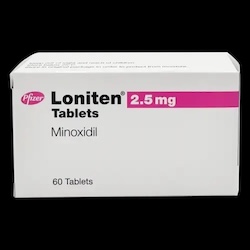
If you have ever walked through pharmacy aisles, you have likely seen bottles of minoxidil foam or liquid. These topical solutions are available over the counter, meaning you can buy them without a doctor’s note. They work by being applied directly to the scalp to stimulate follicles through localized absorption.
Oral minoxidil is a different product entirely. Instead of using a liquid that might leave your scalp itchy or flaky, this version comes as a small tablet you swallow. Because it enters your bloodstream, it is a prescription medication. You cannot simply pick it up during a grocery run; you must have a formal medical evaluation first.
This distinction is important for your safety and the effectiveness of the treatment. While topical versions focus on a specific patch of skin, the oral version travels through your entire system. This systemic approach often works better for people who find topical applications inconvenient or irritating to their skin.
Minoxidil was not originally designed for hair. In the late 1970s, the FDA approved it as a potent vasodilator to treat high blood pressure. It works by relaxing blood vessels so blood can flow more freely. While it was used for hypertension, doctors eventually noticed a side effect: increased hair growth.
This led to the “off-label” use seen today. For hair loss, doctors do not use the high doses meant for heart patients. Instead, they prescribe much lower doses—typically up to 5 mg for men and 2.5 mg for women. This low-dose approach aims to increase blood flow to the scalp without the risks of dropping blood pressure too low.
Because it transitioned from heart medication to a cosmetic treatment, a medical consultation is required. A provider must ensure your heart and kidneys can handle the medication. They will check your pulse and monitor you to make sure the drug does not cause dizziness or a racing heart.
Switching to oral treatment can feel like a big change, but for many, it is a relief. It eliminates the daily ritual of rubbing liquid into your hair, which can be a tedious chore. However, consistency is the rule; if you stop taking the pills, your hair will eventually return to its previous state.
You have a few paths for purchasing. You can visit a traditional pharmacy with a physical script, or you can opt for the convenience of a telehealth service. Online platforms have changed how we access specialized care, making the process much less intimidating than sitting in a doctor’s office.
Safety is the primary concern when buying online. Always work with a licensed medical provider and a reputable, U.S.-based pharmacy. Avoid “gray market” websites that offer pills without any consultation; these could be counterfeit or contain incorrect dosages. Legitimate telehealth services, like RedBox Rx, provide a structured, safe pathway to get your prescription filled and delivered to your door.
Pricing varies depending on how you source your medication. Some people prefer the familiarity of their local drugstore, while others find the transparent, subscription-style pricing of online pharmacies easier on the wallet. Below is a breakdown of how different monthly plans might look for your budget.
Here is a comparison of common pricing structures for oral minoxidil treatments:
| Treatment Plan Type | Monthly Cost (USD) | Quantity Provided | Delivery Method |
|---|---|---|---|
| Standard Monthly Subscription | $15 | 90 Tablets | Free Home Shipping |
| Quarterly Bulk Plan | $45 | 270 Tablets | Free Home Shipping |
| Consultation Fee | $0 | N/A | Online Assessment |
| Generic Comparison | $25 | 30 Tablets | In-Store Pickup |
While online services are often more cost-effective, you must still undergo a thorough evaluation. A doctor will review your health history to ensure the low-dose treatment is right for your biology. It is better to be safe when dealing with medications that affect your cardiovascular system.
Choosing between a pill and a liquid can feel like a high-stakes decision for your confidence. Some people prefer the convenience of a single daily tablet, while others stick to the targeted approach of a topical foam. The choice often depends on your lifestyle and skin sensitivity.
If you struggle to keep a consistent routine, the pill might be easier. There is nothing like the dread of remembering to apply a messy liquid twice a day, every single day. However, the choice involves more than just time spent in front of the mirror.
Understanding how these two versions interact with your body is key to making an informed decision. Whether you want the ease of an oral dose or the precision of a topical solution, knowing the mechanics can save you frustration later on.
Life gets busy, and consistency is the foundation of any successful hair regrowth journey. Topical minoxidil is strict; it usually requires two applications every single day to keep those follicles active. If you miss a day or two, you might find your progress stalls entirely.
Many users find that topical foams are difficult to manage. Between the sticky residue and the time commitment, it is easy to forget. This is why oral minoxidil has become popular for those with a hectic lifestyle. A once-a-day pill is much easier to include in a morning routine.
When adherence fails, results often vanish. If you are constantly forgetting your evening application, you might as well switch to a method that works with your schedule. A treatment only works if you actually use it.
It is worth noting that even though the pill is easier, it is not a “set it and forget it” solution. You must remain disciplined with your daily dose to maintain your results. Consistency is the rule, regardless of whether the medicine comes in a bottle or a blister pack.
The way these two formulations travel through your body is fundamentally different. Topical minoxidil is a localized effort; you apply it directly to the scalp to help it penetrate the skin and reach the hair follicles. It is a targeted strike intended to increase blood flow exactly where you need it.
Oral minoxidil takes a systemic approach. Once swallowed, it enters your bloodstream and travels throughout your entire body. Because it is a vasodilator, it works on a broader scale by relaxing blood vessels everywhere. This systemic presence can lead to more uniform results for those with widespread thinning.
Because the oral version moves through your entire system, it can occasionally cause side effects that topical versions do not. For instance, some users might notice an increase in fine body hair or a change in heart rate. It is a trade-off between localized precision and a widespread effect on the body.
If you are curious about how these treatments are regulated, you can learn more about where to buy minoxidil to ensure you are getting a legitimate product. Understanding the delivery method is just as important as understanding the medication itself.
For many, the decision is made by how their skin reacts. Topical minoxidil is known for causing scalp irritation, which can cause redness, stinging, or flaking. If you have sensitive skin, using a liquid or foam can feel like applying an irritant, making the process uncomfortable.
Oral minoxidil avoids the “itchy scalp” problem because it never touches your skin. However, it brings its own potential side effects. Some users report headaches, nausea, or breast tenderness. While these are generally manageable, they are a different kind of hurdle compared to simple skin dryness.
Ultimately, the better option is the one your body tolerates best. If your scalp is constantly red and peeling, the oral route might be better. Conversely, if you want to avoid systemic side effects, sticking to the topical foam might be the safest bet for your comfort.
Consider this quick comparison to help weigh the pros and cons of each delivery method:
| Feature | Topical (Foam/Liquid) | Oral (Tablet) |
| Application | Twice daily on scalp | Once daily by mouth |
| Primary Side Effect | Scalp irritation/flaking | Systemic (Headache/Body hair) |
| Convenience | Moderate to Low | High |
| Targeting | Localized to scalp | Systemic/Whole body |
Navigating the financial side of hair restoration can be confusing. Many people assume a prescription means a massive monthly bill, but the reality is often more manageable. When you move away from over-the-counter options, you enter a world of predictable pricing models.
For instance, generic oral minoxidil is widely accessible, with some providers offering it for as low as $15 per month. This low entry point makes it easier to start a regimen without high costs. It is a significant departure from the premium prices often found in boutique pharmacies.
However, “per month” can be a deceptive phrase if you aren’t looking closely at the fine print. Understanding how these costs are actually collected is the key to avoiding surprises on your bank statement. You want your hair growth journey to be smooth, not a financial rollercoaster.
At first glance, a $15 price tag looks like a deal, and for many, it truly is. This cost typically covers a 90-day supply of generic minoxidil tablets. It breaks down to a very small daily investment in your appearance.
It is important to realize that this $15 is usually billed every three months, not every month. This means you should expect a larger charge every 90 days rather than a tiny one every 30 days. This cycle is designed to keep your supply consistent and keep shipping costs down.
This 90-day billing frequency is a common standard for telehealth services. It ensures you never run out of medication mid-cycle. By aligning payments with your supply, the process becomes a system that works in the background of your busy life.
When comparing these costs, it helps to see how the billing cycles look in practice:
| Billing Frequency | Supply Duration | Effective Monthly Cost |
| Every 3 Months | 90 Days | $15 |
| Every 1 Month | 30 Days | $5 (Approximate) |
Why are people moving to subscription-based telehealth instead of the local drugstore? The answer is convenience and integrated care. These services aren’t just selling pills; they provide a streamlined system for your hair health.
A subscription often bundles several services into one package. Instead of hunting down a doctor, then a pharmacy, and then a delivery service, everything is under one digital roof. It takes the heavy lifting out of the equation, allowing you to focus on seeing results rather than managing logistics.
There is also peace of mind that comes with these models. You are working with licensed medical providers who oversee your treatment. This is a step up from grabbing a random bottle off a shelf without professional guidance.
While the convenience is a huge selling point, you should always verify the legality and safety of your provider. For instance, you can learn more about is minoxidil over the counter to understand the regulatory landscape before you commit to a subscription plan.
When calculating your budget, don’t just look at the price of the medication. You need to consider the “total cost of ownership,” which includes the initial consultation fees. Think of this as the entry ticket to the program. While it might be an upfront cost, it is the foundation of your treatment.
Many telehealth platforms offer a low-cost online consultation to get you started. This initial evaluation determines if oral minoxidil is right for you. It is a vital step to ensure you aren’t wasting money on a treatment that won’t work for your specific type of hair loss.
Once you are cleared by a provider, the recurring costs become much more predictable. By factoring in the consultation, the shipping, and the periodic 90-day refills, you can create an accurate annual budget. This level of planning helps you stay committed to your regimen long-term.
The most expensive treatment is the one you start but cannot afford to finish. Consistency is the secret to hair regrowth. If a $15 per month model allows you to stay consistent for years, it is better than a cheaper option that you abandon after two months.
When you first start hair restoration, the numbers on the bottle can feel overwhelming. It is not a “one size fits all” situation, as your biology dictates how much medication your body needs. Taking the wrong amount is ineffective for the results you are after.
For men, the standard daily dose is typically 5 mg. This concentration is designed to target male-pattern hair loss effectively. On the other hand, women generally require a lower dose, usually around 2.5 mg per day. This distinction is critical to prevent side effects while ensuring the treatment stimulates hair follicles.
Think of it as a personalized recipe. Men might need a stronger dose to combat their hormonal patterns, whereas women’s bodies respond better to a more measured approach. Always follow the exact instructions provided by your healthcare provider to stay within safe, proven physiological limits.
If you are curious about how these doses translate into costs, you can explore various options at this collection to see how different regimens fit your lifestyle and budget.
Hair regrowth is a marathon rather than a sprint. You won’t wake up tomorrow morning with a full head of hair just because you took your first pill. In fact, the first few weeks can be a psychological test. Many people expect instant results, but biology moves at its own pace.
Typically, you can expect to see signs of hair regrowth in about 3 to 6 weeks. However, “visible” is a relative term; it might start as subtle thickening or a change in texture. It is vital to stick with the regimen through this initial phase, as many people quit just before they see changes.
Once you see new strands emerging, it is tempting to think you have finished. Don’t be fooled. Hair regrowth requires continuous use to maintain the results. If you stop, the hair you’ve regained will likely follow its natural cycle and shed, returning you to your baseline.
Consistency is the key here. Think of it like a gym membership; you cannot just lift weights once a month and expect a six-pack. To keep those follicles in the “growth phase,” you must remain diligent with your daily dose, month after month.
Life is busy, and sometimes you’ll miss a dose. Maybe your morning routine ran long, or you simply forgot during a busy workday. If that happens, don’t panic. The general rule is to take the missed dose as soon as you remember it, provided it’s not too close to your next scheduled pill.
If you realize you’ve missed a dose only when it’s almost time for your next one, simply skip the missed dose entirely. This is where many people make a mistake: they try to “double up” to make up for lost time. Do not do this. Doubling your dose can increase the risk of side effects like a fast heartbeat or dizziness.
Treat your medication with respect, but don’t let a single mistake derail your journey. It is better to stay on a slightly irregular schedule than to attempt to “catch up” by taking a double dose. Your heart and blood pressure rely on a steady schedule.
Keep these safety tips in mind to ensure your journey is as smooth as possible:
Embarking on a hair regrowth journey is a step toward reclaiming your confidence, but it is important to watch how your body reacts. While many users find the treatment seamless, everyone’s biology is unique. Understanding the signals your body sends can help you navigate this path safely.
Think of your health as the guide for this process. Just as you wouldn’t set sail without checking the weather, you shouldn’t start any new medication regimen without knowing what to look for. Being proactive about your well-being ensures that you can focus on your hair goals rather than unexpected health concerns.
If you are considering an oral regimen, you can learn more about professional options at this resource. They provide insights into how different treatment paths can be tailored to your specific physiological needs.
Sometimes, the body reacts to medication with “hiccups” in your routine. Some individuals report experiencing mild headaches or nausea after taking a dose. These are often temporary as your system adjusts to the vasodilator, but you should not ignore them if they persist.
Another symptom that can catch people off guard is heart palpitations. It might feel like your heart is skipping a beat or racing while you are sitting still. Because minoxidil is a vasodilator, it can influence your cardiovascular rhythm. If this feels like more than a minor flutter, consult a professional.
Managing these early signs often involves staying hydrated and being consistent with your timing. However, if a headache becomes a constant companion or nausea prevents you from eating, don’t just “tough it out.” A doctor can help determine if a dosage adjustment is necessary.
Weight management is a critical part of the minoxidil experience. Some users may notice unexpected weight gain or swelling in their ankles or feet. This can happen because the medication affects how your body manages fluid, causing a slight water retention effect.
To stay ahead of this, I recommend checking the scale regularly. Sudden, rapid shifts in weight can be a red flag. If you wake up and your shoes feel significantly tighter than they did yesterday, your body is signaling something important.
Keeping a simple log of your weight and any visible swelling can be helpful for your physician. It turns guesswork into data. By tracking these trends over weeks, you can distinguish between normal fluctuations and side effects that require medical intervention or dietary adjustments.
Sometimes, the medication works in areas where you didn’t ask it to. This is what many call “off-target” effects. For men, this might manifest as an increase in the size or darkness of fine body hair on the arms or face. While it might be a surprise, it is a known physiological response.
Women may experience different nuances, such as breast tenderness or changes in hair growth patterns elsewhere on the body. It can feel like a trade-off when you are trying to fix one area only to notice changes in another.
If these changes occur, discuss them with your healthcare provider. They can help determine if the dose is appropriate for your hormonal makeup. In many cases, these effects are manageable, but being aware of them prevents panic when you notice a change in the mirror.
While most side effects are manageable, certain symptoms require you to stop use and call a doctor immediately. Do not wait for your next scheduled dose if these occur.
Watch closely for these critical indicators:
If you experience these, treat it with urgency. It is better to be cautious and have a doctor tell you everything is fine than to ignore a potential cardiovascular issue. Your safety is the most important part of your hair regrowth goals.
Navigating the digital marketplace for hair loss treatments can feel like a minefield. You want results, but you also want to ensure the medication arriving at your doorstep is legitimate. It is not just about clicking “buy”; it is about ensuring you are working with a medical entity that prioritizes your health over a quick sale.
Many people assume that because a product is online, it is automatically vetted. However, the internet is vast, and not all sites are safe. To avoid counterfeit products or unregulated substances, follow a protocol that involves professional medical oversight rather than just grabbing a bottle from a random website.
The safest route involves a structured process. You are seeking a medical solution, not just a consumer good. This means the transaction begins with a conversation with a professional, ensuring the medication matches your specific physiology and health history.
When you opt for prescription-strength oral minoxidil, the journey begins with an online medical assessment. You will typically fill out a questionnaire regarding your medical history, current medications, and any cardiovascular conditions. This is a vital safety net to ensure the medication won’t clash with your body’s natural rhythms.
After you submit your information, a licensed U.S. medical provider reviews your profile. They look at the big picture to determine if you are a suitable candidate for the treatment. This provides a layer of professional scrutiny that keeps the unregulated parts of the internet at bay.
Once the provider clears you, you receive a personalized treatment plan. This plan will specify your dosage—for men, this might be up to 5 mg daily, while women may be prescribed up to 2.5 mg. Only after this professional green light can you proceed to the purchase of your prescription.
Before handing over your credit card details, do your homework. It is essential to verify that the pharmacy is legitimate and the providers are licensed. A reputable service will always be transparent about their medical staff’s credentials. If a site refuses to name their doctors, take that as a red flag.
You can check for these credentials by looking for specific markers of legitimacy. A trusted provider will often have clear pricing and a way to communicate with medical staff. You can learn more about how to identify reliable sources by visiting this authority guide on where to buy minoxidil.
Always ensure the pharmacy is operating within U.S. regulations. Use the following checklist to evaluate a site before you buy:
| Verification Step | What to Look For |
| Medical Staff | Licensed U.S. doctors available for consultation. |
| Pricing Transparency | Clear costs, such as $15 per month for specific treatments. |
| Pharmacy Status | Legitimately licensed U.S. pharmacy credentials. |
Privacy is often a top priority when dealing with hair loss. You might not want a neighbor or a roommate to see a box labeled “Hair Regrowth Treatment” on your porch. Most reputable online pharmacies use plain, unbranded packaging for all shipments.
The package should look like any other routine delivery—perhaps a standard white box or a padded envelope. There should be no mention of the medication or the condition being treated on the exterior. This ensures your medical business remains private.
Shipping procedures should also be efficient and trackable. A good provider offers real-time tracking so you can monitor your delivery from the warehouse to your doorstep, ensuring your treatment schedule remains uninterrupted.
Once your medication arrives, how you treat it matters. Minoxidil should be stored at room temperature, away from excess heat and moisture. You should avoid storing it in the bathroom, as the humidity from showers can degrade the pills over time.
Keep the medication in its original container, tightly closed, and out of reach of children and pets. Even though these are low-dose tablets, they can be dangerous if consumed by someone for whom they weren’t intended. Treat your medication with care.
When it comes time to dispose of old or expired medication, don’t just toss them in the trash or flush them. This can contaminate the water supply. Instead, follow these steps: