Buy Propecia Finasteride Online: Best Prices & Fast Delivery
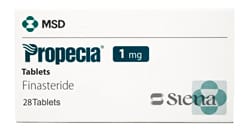
Imagine your hair follicles are like tiny, vibrant gardens. In a perfect world, these plants flourish, but for many men, a rogue hormone acts like a persistent, unwanted weed. This hormone, known as Dihydrotestosterone or DHT, is the primary culprit behind the thinning crown and receding hairline that many men face.
Finasteride steps into this biological drama as a specialized blocker. It essentially acts as a shield, preventing the conversion of testosterone into the more aggressive DHT. By lowering the concentration of this hormone in the scalp, the medication creates a much more hospitable environment for your hair to actually grow.
When DHT levels run high, they perform a slow, quiet sabotage on your hair follicles. This process, often called miniaturization, causes the follicles to shrink over time. As they shrink, the hair strands produced become thinner, shorter, and lighter, eventually becoming so microscopic that they no longer produce visible hair at all.
By neutralizing DHT, finasteride helps halt this miniaturization process in its tracks. It is less about “growing hair out of thin air” and more about protecting the biological potential of the follicles you still have. It is a defensive strategy that aims to preserve your natural hairline for the long haul.
It is vital to understand that not all finasteride tablets are created equal. You might see different strengths mentioned in medical discussions, and confusing them can lead to significant confusion. The distinction is not just a minor detail; it is a fundamental difference in how the drug is intended to be used.
For those tackling hair loss, the standard is the 1mg dose. This specific strength is formulated specifically to target the scalp and combat the effects of male pattern baldness. It is a targeted, daily approach designed to manage the hormonal levels that affect hair density and thickness.
On the other hand, a 5mg dose exists for an entirely different purpose. This higher strength is typically prescribed to treat benign prostatic hyperplasia, or BPH, which involves an enlarged prostate. Because of these vastly different therapeutic goals, you should never substitute one for the other without expert guidance.
Taking the wrong dose can be like using a sledgehammer to hang a picture frame. While the active ingredient is the same, the intensity and the intended biological target are not. Always follow the specific prescription provided by your healthcare professional to ensure you are using the correct strength for your unique needs.
To help you understand the common ways people manage these prescriptions, look at the following comparison of typical service structures:
| Service Plan Type | Monthly Supply | Estimated Cost |
|---|---|---|
| Basic Subscription | 1 Month | $45 |
| Standard Plan | 3 Months | $120 |
| Long-Term Savings | 6 Months | $210 |
Patience is often the most important ingredient in any hair regrowth journey. Many men start their treatment expecting a miracle overnight, but biology simply does not work on that timeline. You are essentially asking your body to reverse a long-standing biological process, and that takes time.
Generally, you might start to notice subtle changes in hair texture or density within three to six months. It is often a gradual shift rather than a sudden explosion of new growth. You may find that your hair feels thicker, or that you are seeing fewer hairs in the shower drain.
For the most significant and visible results, you should prepare to wait 12 months or even longer. This is when the full cumulative effect of DHT suppression becomes apparent. It is a marathon, not a sprint, and consistency is the golden rule of successful treatment.
It is also crucial to remember that consistency is your best friend. If you decide to stop taking the medication, any hair gains you have achieved are generally lost within about 12 months. To keep the “garden” lush, you must continue the maintenance work that keeps DHT levels in check.
If you are ready to explore your options, you can consult with a professional through Walgreens Virtual Healthcare to see if this treatment is right for you.
Navigating the world of hair regrowth can feel like trying to solve a puzzle without the box art. You might hear one person raving about a tiny pill, while another swears by a messy liquid. It is easy to get lost in the noise when you are just trying to save your hairline.
The two heavyweights in this arena are finasteride and minoxidil, but they operate on entirely different wavelengths. Think of it as the difference between fixing a leaky pipe and turning on a garden hose. One addresses the root cause, while the other encourages growth from the outside in.
Finasteride is a prescription-strength approach that works internally to fight DHT. On the other side of the coin, minoxidil is an over-the-counter option that lives on the scalp. Understanding how these two interact is the key to building a strategy that actually works for your specific biology.
When it comes to minoxidil, how you apply it can make a world of difference in your daily routine. Some men prefer the classic liquid solution, but it can feel greasy or leave a residue that makes your hair look limp. It is like trying to apply oil to a silk shirt; it just doesn’t sit right.
If you want to avoid that “wet hair” look, many are turning to foams or sprays. Foams tend to dry much faster and leave less of a sticky footprint on your pillowcase. Sprays offer a more targeted application, allowing you to hit those thinning spots with surgical precision without drenching your entire head.
Finasteride, conversely, is almost always an oral commitment. By swallowing a tablet, you are ensuring the medication enters your bloodstream to tackle the hormonal battlehead-on. While some topical finasteride options are emerging, the oral route remains the gold standard for systemic DHT suppression.
Choosing between these formulations often comes down to your lifestyle and how much effort you want to put into your morning grooming. If you are a “grab and go” person, a pill might be your best friend. If you don’t mind a few extra minutes of drying time, a foam might be your savior.
Sometimes, using one tool isn’t enough to get the job done. It is common for healthcare providers to suggest a “one-two punch” approach. By combining finasteride and minoxidil, you are essentially attacking hair loss from two different angles at the same time.
Finasteride works to stop the damage by lowering DHT, essentially “locking the door” against hair loss. Minoxidil then steps in to “open the window” for new growth by stimulating the follicles. This dual-action strategy is often the most effective way to see real, visible changes in hair density.
However, you shouldn’t just go out and mix everything you find on a shelf. This isn’t a DIY project for a weekend afternoon. You need a professional to weigh the benefits against potential side effects. A doctor can help you decide if a combination plan is the right move for your specific situation.
You can explore customized treatment plans that may include these combinations by taking a hair loss quiz to see what fits your needs.
You can have the most expensive medications in the world, but if your body is running on empty, your hair will feel it. Think of your hair follicles like plants; even with the best fertilizer, they won’t thrive if the soil is poor and the environment is harsh.
A diet rich in essential nutrients—like biotin, zinc, and protein—provides the building blocks your body needs to construct strong hair strands. Skipping meals or living on processed junk is like trying to build a skyscraper with cheap, crumbling bricks. It just won’t hold up over time.
Beyond what you eat, managing stress and getting enough sleep are vital components of a holistic approach. High stress levels can trigger inflammatory responses that further exacerbate hair thinning. It is all about creating a biological environment that is as hospitable as possible for growth.
While medications do the heavy lifting, a healthy lifestyle provides the foundation. It is a long-term game, and your daily habits are the quiet supporters of your medical regimen. Treat your body well, and your hair will have a much better chance of staying thick and vibrant.
Stepping into a doctor’s office used to mean sitting in a waiting room with old magazines. Today, the process is much more streamlined. To begin, you will typically encounter a digital questionnaire designed to gather your medical history and current symptoms.
Think of this as a digital triage. You’ll answer questions about your hair loss patterns, any existing health conditions, and whether you are currently taking other medications. This data provides a snapshot of your physiological landscape, allowing the medical team to understand your unique profile.
It is not just a simple formality; it is the foundation of your care. These assessments are structured to identify potential contraindications before a provider ever reviews your file. It ensures that the treatment suggested is a safe fit for your specific biological makeup.
Once you submit your answers, the information is reviewed by a professional. If your profile meets the clinical criteria, the next step involves a formal evaluation to determine if a prescription is appropriate for your needs.
You cannot simply add finasteride to an online shopping cart like a pair of socks. Because it is a prescription-strength medication, a licensed medical provider must evaluate your eligibility. This oversight is non-negotiable for your safety and legal compliance.
A doctor’s role is to weigh the benefits of hair regrowth against the potential for side effects. They look at your hormone levels and overall health to ensure you won’t be negatively impacted by the medication. It’s about precision, not guesswork.
This evaluation acts as a safety net. A professional can distinguish between temporary thinning caused by stress and permanent male pattern baldness. This distinction is vital because the wrong approach can lead to wasted time and money without any visible results.
If you are looking for a structured way to start this journey, you can examine customized treatment options that prioritize professional oversight.
The traditional, in-person doctor’s visit has been largely replaced by these efficient digital workflows. Instead of driving across town, you can complete the entire process from your living room. It is a massive shift in how we access specialized healthcare.
Online questionnaires serve as a highly efficient proxy for the initial physical consultation. They ask the “must-know” questions that a physician would typically pose during a standard appointment. This data-driven approach makes the process incredibly fast and incredibly convenient.
This shift isn’t just about convenience; it’s about accessibility. For many, the barrier to seeking help for hair loss is the perceived hassle of scheduling an appointment. Digital platforms remove that friction, making it easier to take the first step toward hair restoration.
By moving the “waiting room” to your smartphone, the entire timeline from initial inquiry to receiving your medication is significantly compressed, often allowing for much faster results in your hair care journey.
When searching for options, you might encounter the term “generic Propecia.” It is important to understand that generic finasteride is perfectly legal and medically equivalent to the brand-name version. It contains the same active ingredient, just without the brand’s expensive label.
Buying these medications online is legal, provided you are working through a legitimate service that requires a prescription. Avoid any website that offers to sell finasteride without a medical evaluation. Those “no-prescription” sites are often unregulated and potentially dangerous.
The following table outlines the common ways these medications are categorized in the digital marketplace:
| Category | Legality | Requirement |
| Branded Propecia | Legal | Doctor’s Prescription |
| Generic Finasteride | Legal | Doctor’s Prescription |
| Unregulated “Supplements” | Grey Area | None (Avoid) |
Always ensure the platform you use is transparent about their medical professionals. A legitimate service will clearly state that a consultation is required to obtain a prescription for finasteride, ensuring you stay on the right side of the law.
Navigating the financial landscape of hair restoration can feel like walking through a dense fog. You want results, but you also want to avoid being taken for a ride by sudden, unexpected costs. Understanding the math behind your prescription is the best way to ensure your treatment is sustainable for the long haul.
Finasteride is not a “one and done” solution; it is a marathon, not a sprint. Because consistency is the name of the game, your budget needs to account for monthly replenishment. Skipping doses to save a few bucks might save your wallet today, but it will almost certainly cost you your hair in the long run.
Most digital pharmacies operate on a tiered system. You can choose to pay as you go, or you can commit to a long-term strategy that lowers your per-pill cost. It is a classic trade-off between immediate liquidity and long-term value, and choosing the right path depends entirely on your financial comfort zone.
If you are just dipping your toes into the water, a single-month supply might seem like the safest bet. However, this is often the most expensive way to play the game. You will frequently find that the price per pill jumps significantly when you aren’t committing to a larger volume of medication.
Subscription models are where the real magic happens for your bank account. Many providers offer a “set it and forget it” approach that includes a discount. For instance, jumping from a monthly plan to a 3-month bundle can often unlock a “free month” promotion, making the overall cost of treatment much more palatable.
When comparing these options, look closely at the total cost over a year. A 6-month bundle might require a higher upfront investment, but the math usually works heavily in your favor. It is like buying in bulk at a warehouse club; you pay more at the register initially, but your grocery bill drops over time.
The following table illustrates how these pricing structures typically shift when you move from short-term to long-term commitments:
| Supply Duration | Typical Pricing Structure | Value Rating |
| 1 Month | Standard Retail Rate | Low |
| 3 Month Bundle | Discounted + Potential Free Month | High |
| 6 Month Bundle | Deepest Per-Unit Savings | Very High |
Don’t let a low headline price trick you into thinking you’ve found a steal. Sometimes, the “sticker price” is just the tip of the iceberg. Before you hit that checkout button, you need to dig into the fine print to see what else is lurking in the shadows of your total bill.
One common “gotcha” is the medical consultation fee. While some services include the doctor’s review in the price of the medication, others charge a separate, upfront fee for the physician’s evaluation. It is vital to check if that $30 or $50 fee is a one-time thing or a recurring monthly charge.
You should also keep an eye out for shipping and handling fees. A “cheap” medication can quickly become an expensive headache if you are paying $15 every single month just to have it delivered to your doorstep. Always calculate the “all-in” price to see the true cost of your regimen.
Finally, be aware of potential lab fees. While not always required for finasteride, some providers may request blood work to ensure your baseline health is stable. If a provider insists on specific testing, ensure you know if those costs are covered by your subscription or if they are separate expenses.
To see how different plans compare in a real-world setting, you can examine customized treatment options and pricing structures through a verified provider.
Taking a new medication can feel like stepping onto a tightrope. While the goal is to reclaim your hairline, it is vital to keep a watchful eye on how your body responds. Most people navigate the journey without major hiccups, but being proactive is your best defense against unexpected complications.
It is not a matter of if you notice changes, but when you communicate them. Staying tuned into your physical health ensures that your pursuit of hair regrowth doesn’t come at the expense of your overall well-being. Always keep a direct line of communication open with your healthcare provider.
If you find yourself second-guessing your physical sensations, do not just “tough it out.” Many side effects are manageable, but some require immediate medical intervention. Knowledge is your greatest ally when navigating the nuances of hormonal changes and systemic reactions.
For many men, the conversation turns toward intimacy when discussing finasteride. It is a sensitive topic, but ignoring it won’t make the symptoms vanish. Common concerns often revolve around a noticeable drop in libido, which can feel like the flame has been dampened unexpectedly.
Beyond desire, some users report issues with erectile dysfunction or changes in sexual performance. Additionally, you might notice a decrease in semen volume, an effect often referred to as ejaculatory disorder. These shifts can be frustrating and may impact your confidence or relationship dynamics.
The good news is that for many, these side effects may subside as the body adjusts to the treatment. However, they don’t always just disappear into thin air. If these issues persist, it is time to sit down with your doctor to discuss whether your dosage or regimen needs an adjustment.
While minor discomfort is one thing, certain physical shifts should never be ignored. You must keep a close watch on your chest area. If you notice any swelling, enlargement, or the appearance of lumps in the breast tissue, do not wait for your next scheduled appointment.
Pain or tenderness in the pectoral region is another red flag that requires immediate attention. Similarly, if you experience nipple discharge or find yourself needing to urinate more frequently than usual, these are symptoms that demand a professional medical evaluation right away.
It is important to distinguish between a simple “growing pain” and something more significant. If you experience any of these changes, contact your physician immediately. Early detection is the best way to manage potential hormonal imbalances or other underlying medical issues.
Not all discomfort is created equal. It is crucial to know the difference between a mild, passing nuisance and a full-blown allergic reaction. A mild side effect might be a slight headache or a minor upset stomach that settles down after a few hours.
On the other hand, an allergic reaction is a medical emergency that requires a trip to the ER. If you experience any of the following, seek help immediately:
If you encounter these symptoms, do not attempt to “wait it out” or take an antihistamine as a substitute for professional care. These are signs that your immune system is reacting to a component in the medication, and you need expert medical help right away.
The most important thing to understand about hair regrowth is that it is not a permanent fix. Think of finasteride like a lease on your hair; once the contract ends, the property is returned. Consistency is the glue that keeps your hair follicles in the growth phase.
If you decide to stop taking the medication, you must be prepared for the fallout. Generally, any gains in hair quantity or thickness are lost within about 12 months of discontinuation. The DHT levels in your body will return to their previous state, and the hair loss process will resume its course.
For more information on how this medication works and its safety profile, you can visit Walgreens Virtual Healthcare. Remember, your treatment plan should always be managed under the guidance of a licensed medical professional to ensure you are getting the best possible results.
Navigating the logistics of receiving prescription medication can feel like a bit of a maze. You want your treatment to arrive quickly, but you also want to maintain your personal privacy. Knowing what to expect when you place an order can turn a stressful waiting game into a seamless experience for your peace of mind.
Timing is everything when you are trying to stay consistent with your regimen. Most providers aim to get your order moving as fast as possible once your medical evaluation is complete. Depending on where you live, you might see your package arrive within just a few business days, but it is always wise to plan ahead.
If you are in a rush, some services offer expedited options to speed up the process. For instance, certain virtual healthcare models can facilitate same-day delivery if the prescription is approved and sent to a local pharmacy. It is a great way to jumpstart your journey toward hair regrowth without the long wait.
Keep in mind that actual delivery times depend on several factors, including your location and the time of day you order. While national averages provide a rough guide, weather and carrier delays can sometimes throw a wrench in the works. Always keep an eye on your tracking number to stay in the loop.
When you are ready to hit that “order” button, you might be wondering how long the wait will be. Most orders are processed within a standard window of 3 to 7 business days. This includes the time needed for a licensed medical provider to review your questionnaire and approve your prescription.
For those who are feeling particularly impatient, there are ways to move things along. Some platforms allow for faster shipping methods at an additional cost. If you choose a service that offers same-day delivery, you might have your medication in hand before the sun goes down on the very day your consultation is finalized.
Below is a general breakdown of how typical delivery windows might look for various shipping tiers:
| Shipping Method | Estimated Arrival | Best For |
| Standard Shipping | 5-7 Business Days | Cost-conscious users |
| Expedited Shipping | 2-3 Business Days | Faster results |
| Same-Day Delivery | Same Day | Immediate needs |
Remember, “business days” do not include weekends or holidays. If you order on a Friday afternoon, don’t expect a package on your doorstep by Monday morning. It is often better to order a week before your current supply runs low to ensure you never skip a dose.
Let’s be honest: nobody wants a giant box with “HAIR LOSS MEDICATION” printed in bold letters sitting on their doorstep. Privacy is a top priority for anyone ordering sensitive health supplies. You deserve to manage your wellness on your own terms without feeling like the whole neighborhood is watching.
Most reputable online providers take this very seriously. They use plain, unmarked packaging that looks like any other standard e-commerce shipment. There are no logos or descriptions that hint at the contents inside, so your business stays strictly between you and the delivery driver. It is a subtle, professional touch.
The goal is to make the arrival of your package as unremarkable as possible. Whether it is a small envelope or a standard cardboard box, the exterior should be completely neutral. This level of discretion helps alleviate the anxiety of receiving medical supplies in shared living spaces or high-traffic areas.
If you have specific concerns about how your package appears, it is worth checking the provider’s policy on “discreet shipping.” Most modern services have built this into their standard operating procedure. Your privacy is not just a perk; it is a fundamental standard of professional medical service.
Even if you are ready to jump in, you might find that your location has specific rules. Not every service is available in every corner of the country. Restrictions often depend on state-specific regulations regarding telehealth and the prescription of certain medications like finasteride.
For example, some services are currently limited to a specific list of states. If you live in a state that is not on the approved list, you might find that you cannot complete the checkout process. It is a bit of a bummer, but it is all due to the complex legal landscape of medical licensing.
Currently, services may only be available in certain states such as:
If your state isn’t listed, it doesn’t mean you are out of luck forever, but it does mean you might need to look for a provider that specifically operates in your region. Always double-check the service’s availability before you spend time filling out a detailed medical questionnaire. You can find more details on specific product availability at Keeps.