Buy Vermox Mebendazole Online Without a Prescription
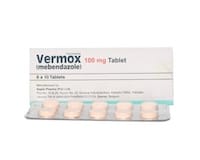
Living with an unexpected guest in your gut is never easy. Many people first notice something is wrong when a persistent, nagging itch develops around the perianal area, often becoming more intense at night. This restless sensation can make sleep difficult, leaving you feeling exhausted before the sun even rises.
Beyond the itching, your body might send other signals. You might experience a dull, nagging abdominal discomfort or bloating that feels like a heavy weight in your stomach. Some individuals even notice visible movement in their stool, which can be a startling realization. These symptoms often indicate that something is out of balance.
Identifying these signs early is the first step toward reclaiming your digestive health. It is about recognizing the biological disruption occurring within. If you are noticing these patterns, it might be time to look into professional guidance and pharmaceutical interventions to clear the way for your well-being.
Mebendazole acts as a specialized saboteur within the digestive tract. Once inside, the medication focuses on the structural integrity of the parasite. It specifically targets tubulin, the building block for microtubules within the worm’s body. Without these essential structures, the parasite’s internal machinery begins to fail.
As microtubule formation is disrupted, the parasite loses its ability to absorb glucose. Much like running a marathon without any fuel, the energy reserves eventually run dry. This starvation process weakens and kills the worms, ensuring they cannot continue their lifecycle within your intestinal walls.
By cutting off the parasite’s ability to metabolize nutrients, the medication helps ensure the invaders are systematically eliminated. This mechanism is effective because it focuses on the biological vulnerabilities specific to the helminth. Once the worms are neutralized, your body can naturally clear the remnants through regular bowel movements.
Not all invaders are the same, so choosing the right approach is vital. For instance, pinworms are often handled with a straightforward, single-dose strategy. Because their eggs can linger in the environment, clinicians often suggest a second dose two weeks later to catch any newly hatched worms.
Roundworms and whipworms require a different approach. These often need a more sustained effort, such as taking a 100 mg dose twice daily for three days. This ensures the medication maintains a steady presence in the gut to deal with these more persistent residents.
Hookworms also require specific attention since they often latch onto the intestinal lining. Treatment regimens for these parasites are tailored to ensure the infection is fully eradicated. You can learn more about specific treatment protocols by visiting https://southwestgeorgiaregionalmedicalcenter.com/shop/vermox.html to understand how medical professionals manage these varying scenarios.
| Parasite Type | Common Treatment Approach |
| Pinworm | Single dose, often repeated in 2 weeks |
| Roundworm | Multi-day course (e.g., 100 mg twice daily for 3 days) |
| Hookworm | Specific regimens based on clinical guidance |
Even effective medication can feel like a losing battle if you do not address the environment. Reinfection is a common issue that follows successful treatment, especially in households. If you do not change hygiene habits, you might find yourself back where you started within a few weeks.
Laundering bed linens in hot water and drying them on high heat is essential. Parasite eggs are incredibly resilient and can hitch a ride on your sheets or underwear. It is also a good idea to keep fingernails trimmed short and avoid habits like nail-biting, which provide a direct way for eggs to enter the mouth.
Cleaning frequently touched surfaces and toys is another layer of defense. Think of hygiene as your personal shield; the medicine kills the current invaders, but cleanliness prevents the next wave from arriving. By treating all close household contacts simultaneously, you can break the cycle of transmission.
For the persistent itch of pinworms, doctors often opt for a “one and done” approach. This single-dose strategy typically involves a 100 mg dose to knock out the primary infestation. It is a straightforward way to handle the immediate nuisance that keeps you tossing and turning at night.
However, do not assume the battle is won after that first pill. Because pinworm eggs are remarkably resilient, they can linger in your environment. To ensure you are not just clearing a path for a new wave, clinicians frequently recommend a second 100 mg dose two weeks later.
This follow-up dose is key to total eradication. It catches any larvae that managed to hatch after the first treatment. If you skip this step, you might find yourself caught in a frustrating cycle of reinfection. Always follow the specific timeline provided by your healthcare professional to ensure the job is truly finished.
Whipworms and roundworms are not as easy to shake as pinworms. These parasites tend to be more entrenched, requiring more persistence from the patient. Instead of a quick strike, you will likely face a multi-day regimen to ensure they are fully neutralized within your digestive tract.
A common regimen involves taking 100 mg twice daily for a period of three days. This maintains steady pressure on the invaders. This consistent dosing ensures the medication is always present in your system to disrupt the worms’ ability to absorb vital glucose.
It is vital to stay the course and not stop early just because you feel better. Stopping mid-treatment can allow the most resilient parasites to survive and cause a comeback. Consistency is vital when dealing with these more complex intestinal residents.
When children are involved, the rules change slightly. For children over two years old, the standard approach for pinworms is often a single 100 mg dose. However, because kids can be unpredictable, you must consult a pediatrician for age-specific guidance.
Administration can be tricky with toddlers. Mebendazole is frequently available in chewable forms, which are much easier for a child to manage than a large, hard tablet. If they do not like the taste, you can crush the tablet and mix it into a spoonful of soft food.
Always ensure the medication is administered correctly to avoid choking hazards or improper dosing. If your child is under two, professional guidance is mandatory because clinical data is more limited for that age group. Safety comes before convenience when treating a child’s health.
Below is a breakdown of various purchasing options and their associated costs for different treatment plans.
| Treatment Plan Type | Quantity/Terms | Total Cost |
|---|---|---|
| Single Dose Trial | 1 Tablet (100mg) | $15 |
| Standard 3-Day Course | 6 Tablets (100mg) | $75 |
| Family Pack Bundle | 24 Tablets (100mg) | $250 |
| Monthly Supply | 30 Tablets (100mg) | $290 |
For those seeking reliable options, you can find more information on pharmaceutical availability through https://www.israelpharm.com/online-pharmacy/mebendazole/.
When it comes to pregnancy, the rule is to tread carefully. Most clinicians advise against using mebendazole during the first trimester, as the data regarding potential risks to a developing fetus is limited. You should not take unnecessary risks during early development.
If you find yourself expecting, pause and consult a doctor. They will weigh the benefits of treating an active infection against the theoretical risks found in animal studies. In many cases, waiting until after the first trimester is the safest bet for both mother and child.
Breastfeeding is another area where you should not guess. Small amounts of the medication can potentially pass through breast milk into your infant. Before you take a tablet, speak with your healthcare provider to ensure your baby stays safe.
Every body reacts differently to medication. What works for a neighbor might not be the best path for you, especially during a sensitive time. When in doubt, consult a professional before starting any new treatment regimen.
For most people, taking this medication is simple, but occasionally, the body reacts. It is not uncommon to experience mild side effects like a headache or an upset stomach. This is often just your body processing the medication.
You might encounter some nausea, abdominal pain, or gas. These symptoms are generally temporary and tend to vanish once the parasites are cleared. It can be uncomfortable for a moment, but the symptoms usually clear up quickly.
If you do feel under the weather, staying hydrated is helpful. Drinking plenty of water can soothe your digestive tract. While most people find these issues are minor, keeping track of how you feel is always wise.
If the discomfort becomes persistent or particularly bothersome, call your doctor to ensure everything is progressing as it should. They can provide advice to help you manage these inconveniences effectively.
Medications do not always play well together. One major group to watch for is enzyme-inducing anticonvulsants, such as carbamazepine or phenytoin. These drugs can speed up how your liver processes mebendazole, potentially making the treatment less effective.
Conversely, substances like cimetidine can do the opposite. This medication can slow down the breakdown of the drug, causing it to linger in your system longer. This increase in levels could potentially raise your risk of side effects.
It is vital to give your doctor a full list of everything you are taking, including over-the-counter pills, herbal supplements, and vitamins. Being thorough now can prevent pharmaceutical collisions that could jeopardize your health.
If you are currently on immunosuppressants or antineoplastic agents, proceed with extra caution. There is a theoretical risk of additive bone marrow suppression. Always keep your medical team in the loop to ensure your treatment remains safe.
While severe reactions are rare, you must know when to seek help. If you experience signs of a serious allergic reaction—such as hives, swelling of the face or throat, or difficulty breathing—this is a medical emergency. Call emergency services immediately.
Watch for other “red flag” symptoms that require urgent attention. If you notice persistent fever, unusual bruising, extreme fatigue, or yellowing of your skin and eyes (jaundice), do not wait for a scheduled appointment. These can be signs of liver dysfunction or blood count changes.
In the event of a suspected overdose, which might cause severe vomiting or intense abdominal pain, contact your local poison control center or head to the emergency room. Bringing the medication container or a photo of the label can assist clinicians.
For more detailed information on how to access professional medical assistance, visit https://sweetwatermedicalcenter.com/our_services/pharmacy/vermox-mebendazole/. Being prepared helps ensure any reaction is handled with precision.
Navigating deworming medications can feel complicated. You might see different labels and wonder which pill is right for your specific situation. It is not a one-size-fits-all process, as each drug has a unique way of tackling intestinal parasites.
Understanding the nuances between various anthelmintics is essential for getting the job done correctly. Using the wrong tool can be inefficient. Let’s break down the primary options in this category.
When you compare these options, you are looking at different biological strategies. Some drugs aim to paralyze the intruder, while others focus on starving them of energy. Knowing these distinctions can help you have a more productive conversation with your healthcare provider.
For those looking for reliable options, Vermox 100 mg remains a standard in many treatment regimens. Understanding how it compares to other drugs is the first step toward recovery and preventing reinfection.
Mebendazole and albendazole are similar and share many traits, but they have different effects. Both belong to the benzimidazole class and work by disrupting the internal plumbing of the worm, specifically by interfering with glucose absorption.
However, albendazole often provides better tissue penetration. While mebendazole stays largely within the gastrointestinal tract, albendazole is better at crossing into the bloodstream and reaching deeper tissues. This makes albendazole a common choice for systemic infections that have moved beyond the gut.
Dosing schedules also differ. Mebendazole often requires a multi-day commitment, such as taking 100 mg twice daily for three days for roundworms. In contrast, albendazole is frequently administered in a single 400 mg dose for many common parasitic threats, making it a faster option for some patients.
The choice often depends on the specific parasite and whether the infection is localized or systemic. While albendazole might have a more aggressive profile, mebendazole remains a highly effective, localized tool for common intestinal helminths like pinworms and whipworms.
In many local pharmacies, you are more likely to see pyrantel pamoate available without a prescription. This makes pyrantel a common choice for quick relief of pinworm infections without a doctor’s visit.
Mebendazole, however, typically requires a prescription in many regions, including the United States. This ensures that a medical professional has verified the diagnosis and ruled out more serious underlying issues. It is the difference between a quick fix and a professionally supervised plan.
The way they kill worms is fundamentally different. Pyrantel pamoate acts as a neuromuscular blocker; it paralyzes the worms, causing them to lose their grip on the intestinal walls so they can be passed naturally. It is a direct, mechanical way to handle a localized infestation.
Mebendazole works on the metabolic side, slowly starving the parasite by blocking its ability to use glucose. While pyrantel is an easy-access option for simple pinworm cases, mebendazole is often preferred when the infection is more complex or involves different species of worms.
When deciding which medication to pursue, you must weigh effectiveness against cost and your schedule. Not all worms respond to the same drugs. You wouldn’t use a fishing net to catch a butterfly.
For a variety of intestinal helminths, efficacy varies. For example, while both are excellent for pinworms, mebendazole might be more effective for certain hookworm or whipworm scenarios. It is a balance between the biological target and the availability of the drug.
Cost-effectiveness is another factor. Generic formulations of mebendazole can be quite affordable, often bringing the price down significantly compared to brand-name versions. This makes long-term or multi-dose treatments more manageable for families.
Here is a quick glance at how these options generally compare:
| Feature | Mebendazole | Albendazole | Pyrantel Pamoate |
| Primary Mechanism | Glucose uptake inhibition | High tissue penetration | Neuromuscular paralysis |
| Typical Access | Prescription | Prescription | Over-the-Counter (OTC) |
| Common Dose Style | Multi-day regimen | Often single dose | Single or multi-dose |
| Relative Cost | Moderate (Generics available) | Variable | Generally lowest |
Navigating the American healthcare system can feel complicated. When you realize you might have a parasitic infection, the last thing you want is a bureaucratic headache. Many people assume that because Vermox is a prescription-only medication, they must endure long waits at a local doctor’s office to secure a prescription.
However, the landscape has shifted with the rise of digital health. You no longer need to physically sit in a waiting room to get the care you need. The law allows for more streamlined paths, provided you follow the proper medical protocols to ensure safety and legality.
The key is understanding that “prescription-only” does not mean “impossible to get.” It simply means a professional must verify that the medication is necessary for your specific situation. Skipping this step via unregulated websites is dangerous and can lead to counterfeit products.
Instead, look toward legitimate medical institutions that focus on this need. Using a verified provider ensures you are getting real medication, backed by medical oversight that protects your health and your legal standing in the United States.
Telemedicine has become a lifeline, turning a smartphone into a portable doctor’s office. Rather than making an appointment that takes weeks, you can engage in a virtual consultation. This is an efficient way to get a professional opinion from home.
During these sessions, a clinician will perform a clinical evaluation. They will ask about your symptoms, such as perianal itching or abdominal discomfort. This thoroughness ensures you aren’t treating a serious condition with the wrong medication.
In some cases, the doctor might suggest diagnostic testing, such as a stool exam, to confirm the presence of parasites. This clinical rigor is what separates a legitimate medical service from an unregulated one. It is the safety net that keeps the system functioning within the bounds of the law.
By utilizing these digital evaluations, you bypass traditional hurdles. You receive a professional assessment that carries the same weight as an in-person visit, but with the convenience of a modern approach.
A common point of confusion is how one can buy a prescription drug without a piece of paper from an outside physician. The secret lies in institutional authorization. When a clinician at a specialized center evaluates you, they are the ones who issue the authorization.
You aren’t actually bypassing the requirement for a prescription; you are fulfilling it through an integrated process. Because the clinician is part of the same ecosystem as the pharmacy, the transition from diagnosis to dispensing is smooth. This eliminates the need to hunt down a separate doctor to write a note.
This method is legal and highly structured. The facility follows strict protocols to ensure every order is documented and medically sound. It is a closed-loop system that provides peace of mind, knowing every step has been vetted by a licensed professional.
If you are looking for a structured and legal way to handle this, you can explore the options offered via Southwest Georgia Regional Medical Center. They provide the necessary clinical oversight to make the process smooth and compliant with U.S. regulations.
Once your clinical evaluation is complete and the medication is authorized, the online ordering process is straightforward. You select your required dosage, provide your shipping details, and complete the secure checkout.
After you place your order, the pharmacy authorization step begins. This is a final check where the pharmacy verifies that the clinical assessment matches the order being placed. This layer of protection ensures that no one can order medication without a documented medical reason.
The process generally looks like this:
This structured approach removes the guesswork. You aren’t left wondering if your order will be intercepted or denied. The system is built to move your medication from the pharmacy to your doorstep with efficiency.
The final question is often about the total cost. Shipping costs can sometimes feel like a hidden tax. However, most reputable online pharmacies have clear, transparent pricing structures to avoid surprises.
In the United States, many providers offer tiered shipping options. You might see a standard rate for basic delivery, but if you are treating a whole household, it often makes financial sense to buy in bulk to reach free shipping thresholds.
For instance, many services offer a perk where if you spend a certain amount, the shipping fee is waived. Here is a look at some typical shipping cost structures:
| Order Value | Shipping Cost | Notes |
| Under $50 | $8.00 – $12.00 | Standard ground shipping |
| $50 – $98 | $5.00 | Discounted rate |
| $99 and above | $0.00 | Free U.S. Shipping |
By spending over $99, you can often take advantage of free U.S. shipping. This makes a significant difference in your total expenditure, especially if you are buying enough medication for your entire family.
Dealing with a parasite outbreak is like trying to put out a fire; you cannot just douse one corner and expect the rest of the house to stay dry. If you are managing pinworms or roundworms, your goal is to break the cycle of reinfection before it starts again.
Medication alone is only half the battle. You might find yourself running in place if you do not address the environment where these invaders thrive. A systematic approach to cleaning and hygiene is your best defense against a recurring infection.
Success depends on your diligence in the weeks following the initial dose. It is not enough to just take the pill and forget about it. You must be proactive, treating your home to ensure eggs do not find a new host in your family members or furniture.
The eggs of many intestinal parasites are resilient and can cling to surfaces. To combat this, you must implement a strict sanitization protocol. Start with items that touch your skin most frequently, such as bed sheets, pillowcases, and towels. These should be laundered in hot water and dried on a high-heat setting.
Do not stop at the linens; your clothing is also a major culprit for spreading eggs. Wash all underwear and pajamas in hot water immediately after the first dose of medication. It is often a good idea to repeat this process for several days to catch any newly laid eggs.
High-touch surfaces also require cleaning. Think about doorknobs, remote controls, and refrigerator handles. Wiping these down with a disinfectant can significantly lower the risk of a household-wide outbreak. If you have kids, their favorite toys should be washed or wiped down thoroughly.
View your cleaning routine as a protective shield. By being meticulous with your laundry and surface cleaning, you are creating a barrier that makes it difficult for the parasites to complete their life cycle. Consistency in these chores is key to a permanent solution.
One of the biggest mistakes people make is only treating the person showing symptoms. If you live with others, you are likely all sharing the same environment. Treating only one person is like trying to empty a leaking boat while someone else is still drilling holes in the bottom. You must treat everyone in the household simultaneously.
Even if a family member seems fine, they may be a silent carrier. This is a common way for parasites to linger and cause a cycle of reinfection. By ensuring every resident takes the prescribed dose at the same time, you eliminate the chance of passing the issue back and forth.
This collective approach is much more efficient and saves money in the long run. Instead of buying small quantities repeatedly, it is smarter to coordinate a single, comprehensive treatment for the whole family. You can find various options to facilitate this at https://www.israelpharm.com/online-pharmacy/mebendazole/.
Think of it as a coordinated strike. When the entire household is treated at once, the “reservoir” of parasites is wiped out, leaving nowhere for the worms to hide. It turns a potential months-long struggle into a manageable event.
Hand hygiene is the cornerstone of preventing reinfection. You must be vigilant about washing hands thoroughly with soap and water, especially after using the bathroom, changing diapers, or before preparing food. A quick rinse often fails to remove the microscopic eggs hiding under fingernails.
Nail care is also vital. Keeping fingernails trimmed very short is a non-negotiable part of the process. Long or bitten nails provide hiding spots for parasite eggs. If you have children, making nail trimming a regular part of their hygiene routine can help.
You should also discourage habits like nail-biting or thumb-sucking, which act as a direct way for parasites to enter the mouth. If you have children, some parents find success by using bitter-tasting nail polishes to discourage the habit during the treatment period.
A daily morning shower can also be helpful. Rinsing off the skin first thing in the morning can help wash away any eggs that may have been deposited overnight. While it might seem like an extra step, it provides an extra layer of defense.
Even after a successful course of treatment, you should monitor yourself and your family for any recurring symptoms. Watch for signs like perianal itching, abdominal discomfort, or visible worms in the stool, as these are indicators that the treatment may have been incomplete.
If symptoms do return, it is likely a reinfection from the initial outbreak. In these cases, you should consult your healthcare provider immediately. They may recommend a repeat dose or a different treatment regimen to ensure the issue is fully eradicated.
It is also important to keep an eye on any unusual changes in digestion or general well-being. If you experience severe abdominal pain, high fever, or blood in your stool, seek medical attention right away. These could be signs of a more serious complication.
Keeping a simple log of when symptoms occur and when the medication was taken can be very useful for your doctor. This data helps them determine if the current approach is working or if you need to pivot your strategy.