Buy Prozac and Fluoxetine Online: Compare Best Prices Now
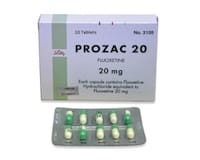
Navigating the world of pharmacy prices can feel like wandering through a dense fog without a compass. You might find yourself staring at a high price tag and wondering if there is a better way. It is a common headache for many patients trying to manage long-term mental health care on a strict budget.
The distinction between brand-name Prozac and generic fluoxetine is essentially a matter of the label on the bottle. While the active ingredient remains the same, the cost difference can be quite staggering. Many people find that the “brand name” premium doesn’t necessarily match the clinical outcome they are seeking.
If you are looking to manage your expenses, understanding these price variations is the first step toward financial peace of mind. Whether you are paying out of pocket or dealing with insurance, knowing the landscape helps you make informed decisions for your health and your wallet.
When you walk into a local pharmacy, the sticker price for brand-name Prozac can be a heavy blow. For a standard 30-day supply of 20 mg capsules, the brand-name version often climbs toward the $556 mark. That is a significant chunk of change for a single month of medication.
On the other hand, generic fluoxetine is often the “silver lining” in the pricing storm. Because generic manufacturers produce the same active chemical, the costs are significantly lower. It is often a much more palatable option for those who need consistent, monthly refills without breaking the bank.
The following table provides a quick comparison of what you might expect to see regarding different pricing scenarios for a 30-day supply of 20 mg capsules.
| Medication Type | Quantity/Dosage | Estimated Out-of-Pocket |
| Prozac (Brand Name) | 30 x 20 mg Capsules | $556 |
| Fluoxetine (Generic) | 30 x 20 mg Capsules | Lower Base Cost |
| With Discount Card | 30 x 20 mg Capsules | Up to 80% Savings |
| Insurance Co-pay | 30 x 20 mg Capsules | Varies by Plan |
If the generic price still feels a bit steep, you might want to look into prescription discount cards. These tools are like a secret handshake in the pharmacy world. They allow you to bypass some of the traditional retail markups by applying significant discounts directly at the register.
In many cases, using these cards can help you save up to 80% on your total cost. This can turn a daunting expense into something much more manageable. It is always worth asking your pharmacist if they participate in any specific discount programs before you finalize your purchase.
Using these resources can be a real lifesaver, especially if you are navigating a transition in your healthcare coverage. You can find more information regarding how to secure your prescription through prozac fluoxetine online to ensure you are getting the best value possible.
Insurance coverage is the wild card in the equation. For those with robust, in-network insurance, the out-of-pocket cost for a visit might be as low as $30 or less. This significantly lowers the barrier to getting the professional guidance you need to manage your mental health effectively.
However, even with insurance, the way your plan is structured—such as your deductible or co-insurance—will dictate your actual cost. Some plans might cover the generic version almost entirely, while others might require a higher co-pay for the brand-name version, even if it is medically necessary.
It is a bit of a balancing act. You have to weigh the benefits of your specific coverage against the actual cost of the pills. Always check your formulary to see where Prozac and fluoxetine fall, as this will determine whether you are looking at a small co-pay or a large bill.
When doctors reach for the prescription pad to combat mood disorders, fluoxetine is often a top contender. It isn’t a “one size fits all” miracle, but for many, it serves as a vital lifeline. Understanding why it is prescribed can help demystify the process of managing mental health through medication.
The FDA has cleared this medication for several specific conditions, ensuring it meets rigorous safety and efficacy standards. It is most commonly used to treat Major Depressive Disorder (MDD) in both adults and children over the age of eight. This broad range of application makes it a cornerstone of modern psychiatric care.
Beyond depression, it is a heavy hitter in the fight against Obsessive-Compulsive Disorder (OCD) and Panic Disorder. For those living with the constant shadow of panic attacks, the medication can help reduce their frequency. It also finds a place in treating Bulimia Nervosa by addressing binge-eating and purging behaviors.
If you are exploring your options, it is helpful to look at the official guidance provided by experts at Redbox Rx to see how treatment plans are structured for different needs.
Think of your brain as a bustling city where neurotransmitters act as the messengers carrying vital information between buildings. In a healthy brain, these chemical signals move smoothly. However, when someone experiences depression or anxiety, these messengers can sometimes get “stuck” in the gap between cells, leaving the brain’s communication lines quiet.
Fluoxetine belongs to a class of drugs known as Selective Serotonin Reuptake Inhibitors, or SSRIs. Instead of letting serotonin—the “feel-good” chemical—be reabsorbed too quickly by the sending cell, this medication acts like a dam. It keeps more serotonin available in the synaptic gap, allowing the signals to stay strong and clear.
By increasing the availability of serotonin, the medication helps stabilize mood and regulate emotional responses. It is not about “creating” happiness, but rather about fine-tuning the brain’s natural ability to communicate. It’s like clearing the static on a radio station so the music can finally be heard clearly.
While the science is fascinating, everyone’s brain chemistry is as unique as a fingerprint. This is why finding the right dosage is a delicate dance between your doctor and your biology. What works for one person might need adjustment for another to reach that “sweet spot” of stability.
Medicine is not always a rigid set of rules; sometimes, doctors use a “tried and true” tool for a new problem. This is known as off-label use. If a physician sees that a medication has a proven track record for one issue, they may prescribe it for a related symptom that isn’t officially listed by the FDA.
For example, a doctor might consider fluoxetine for Generalized Anxiety Disorder (GAD) or Post-Traumatic Stress Disorder (PTSD), even if the primary FDA label focuses on other areas. It is also frequently used to help manage Premenstrual Dysphoric Disorder (PMDD), which can be a grueling monthly cycle for many women.
Some clinicians also explore its use for certain eating disorders or even certain types of impulse control issues. This flexibility allows for a more personalized approach to mental health. It’s a bit like using a Swiss Army knife; while it has a primary blade, you might find the other tools perfect for a different task.
However, off-label use should always be done under strict medical supervision. You should never attempt to self-medicate based on what you read online. A professional must weigh the potential benefits against your specific medical history to ensure the treatment plan is both safe and effective for your unique body.
One of the most common mistakes patients make is stopping their medication the moment they start feeling “better.” It can be tempting to think, “I feel great, so I don’t need these pills anymore.” However, stopping abruptly is like pulling the rug out from under yourself. It can lead to a sudden return of symptoms or even withdrawal.
Finishing the full course of your prescription is absolutely critical for long-term success. Mental health treatment is often a marathon, not a sprint. The medication helps rebuild chemical stability over time, and cutting the process short can disrupt that delicate rebuilding process before the foundation is set.
If you experience side effects that make you want to quit, do not just walk away. Instead, have a serious conversation with your healthcare provider. They can adjust your dose, switch you to a different medication, or help you taper off safely if it’s time to move on. Communication is your best defense against a setback.
Consistency is the secret ingredient to seeing real results. By sticking to the schedule your doctor has set, you give your brain the best possible chance to find its new equilibrium. Think of it as giving your mental health a steady, reliable support system while it works through the heavy lifting.
Stepping into a digital doctor’s office might feel a bit like walking into a sci-fi movie, but the process is surprisingly straightforward. To start, you simply book an appointment through a secure online platform. You’ll select a time that fits your schedule, often allowing for same-day availability to address your mental health needs immediately.
Once your appointment is set, the “waiting room” is just your smartphone or computer. You’ll likely complete a brief digital intake form, which is essentially a medical history checklist. This helps your provider get a head start on understanding your background before you even say a single word to them during the video call.
The actual consultation happens via a secure video link. It’s a face-to-face conversation, just without the sterile smell of a physical clinic. You can sit in your favorite chair, perhaps with a warm cup of tea, making the whole experience feel much less intimidating than a traditional hospital visit.
When the doctor joins the call, the best thing you can do is be an open book. They aren’t there to judge you; they are there to act as a medical detective. “I’ve been feeling a bit heavy lately,” or “I can’t seem to shake this constant worry,” are perfectly valid ways to start the conversation.
Be specific about your symptoms. Instead of just saying you feel “bad,” try describing the sensation. Do you feel a sudden spike in heart rate? Is your sleep disrupted? Is your appetite vanishing? These small details are the breadcrumbs that lead a board-certified doctor to a proper diagnosis and a safe treatment plan.
It is also vital to mention any other medications or supplements you are currently taking. Since many medications can interact—sometimes quite significantly—being thorough is your best defense. Think of it as giving the doctor a complete map of your body’s current chemical landscape.
Don’t be afraid to ask questions if something sounds like Greek. If they suggest a medication like fluoxetine, ask about the common side effects or how long it might take to feel a difference. A good doctor wants you to feel empowered, not confused, about your path to wellness.
Telehealth has truly changed the game for those seeking quick mental health support. In many cases, the efficiency of virtual visits allows for same-day prescriptions. This speed is a lifesaver when you are struggling to manage acute symptoms and need medical guidance right away.
The technology bridges the gap between your living room and professional care. Because these platforms are designed for efficiency, you can often skip the long commutes and the frustrating wait times in a physical lobby. It is a streamlined approach to getting the help you deserve.
However, remember that the doctor’s discretion is paramount. While the system is fast, they won’t just hand out prescriptions like candy. They must conduct a thorough evaluation to ensure that any medication is appropriate for your specific health profile and medical history.
If you are looking for more information on how to manage your prescriptions, you can explore resources like this authority link to understand your options better.
Once the doctor decides that medication is the right path, the paperwork moves at the speed of light. Gone are the days of waiting for a paper script or making multiple trips to a clinic. Instead, your doctor sends an electronic prescription directly to your chosen pharmacy.
This digital handoff is incredibly secure and minimizes the risk of errors. You can typically choose any local pharmacy that is convenient for you, whether it’s a big-box chain or a small neighborhood drugstore. This flexibility ensures that getting your medicine is as easy as picking up groceries.
After the pharmacy receives the electronic order, they will process it according to your insurance coverage. If you have a prescription discount card, you might find that your out-of-pocket costs are significantly reduced, sometimes saving you a substantial amount of money on your monthly refill.
Keep an eye on your pharmacy’s app or wait for a text notification to know when your medication is ready for pickup. It’s a seamless loop: consult, prescribe, and pick up, all without ever having to leave the comfort of your own home.
Starting a new medication can feel like navigating uncharted waters. For many, the initial transition involves some digestive hiccups. You might experience an upset stomach, nausea, or even diarrhea as your body adjusts to the new chemical landscape. These symptoms are often temporary, but they can certainly be a nuisance while you wait for the benefits to kick in.
Sleep can also become a bit of a moving target. Some people find themselves tossing and turning, while others might experience unusual, vivid dreams that feel incredibly real. You might also notice a strange sense of tiredness or yawning throughout the day. If you feel like a zombie by noon, don’t panic; it’s a common part of the adjustment phase.
It is important to keep a little journal of how you feel. If you notice persistent headaches or dizziness, make sure to jot them down. While most side effects are mild and fade away, being an active participant in your own care helps your doctor determine if the dosage is hitting the mark or if a change is needed.
If these issues become too much to bear, please reach out to your healthcare provider. They can help distinguish between standard adjustment symptoms and something that requires a change in your treatment plan. Never make sudden changes to your regimen without professional guidance.
While we hope for a smooth journey, we must address the heavy stuff. There are rare but serious conditions that require immediate attention. One such concern is serotonin syndrome, a condition caused by having too much serotonin in your system. It can feel like your body is running an engine that’s overheating.
Keep a sharp eye out for symptoms like a fast or pounding heartbeat, sweating, or muscle rigidity. If you start feeling confused or experience extreme agitation, treat it as an emergency. These aren’t just “growing pains”; they are signals that your body’s chemistry is out of balance and needs medical intervention right away.
Another critical warning involves mood shifts. In some younger patients, particularly children under age 7, there is a risk of developing suicidal thoughts or unusual tiredness. It is a heavy burden to carry, which is why constant monitoring is vital. If you or a loved one notice a sudden dip in mood or self-harming thoughts, seek help immediately.
For more detailed information on safety protocols and clinical data, you can consult this authority link to better understand the clinical profile of this medication.
Think of your body like a delicate ecosystem. Adding one new element can sometimes cause a chain reaction with what is already there. Prozac is known to have many—potentially hundreds—of interactions. This is why being a “straight shooter” with your doctor about every supplement and over-the-counter pill is absolutely non-negotiable.
Specifically, watch out for St. John’s Wort. It’s a popular herbal supplement, but it can play havoc with your medication by increasing the risk of serotonin syndrome. It’s like trying to run two different programs on a computer that’s already at capacity; eventually, something is going to crash.
You should also be cautious with NSAIDs, such as ibuprofen or aspirin. Taking these alongside your medication can increase the risk of bleeding. If you’re reaching for the painkiller to fix a headache, check in with your pharmacist first to ensure you aren’t inadvertently increasing your risk of internal irritation.
Alcohol is another tricky one. While a glass of wine might seem harmless, it can amplify the drowsiness and trouble concentrating that sometimes comes with the medication. It’s best to tread lightly and see how the medicine affects your clarity before mixing it with anything else.
Life happens, and sometimes we miss a pill. If you realize you’ve forgotten a dose, grab it as soon as you remember. However, if it is almost time for your next scheduled dose, just skip the missed one and move on. The golden rule is simple: never double up to catch up. Taking two doses at once is like trying to cram two days of food into one meal; it’s simply too much for your system to handle at once.
On the flip side, if you suspect you have taken too much, do not wait for symptoms to appear. Speed is of the essence here. You should seek emergency medical attention immediately or contact your local poison control center. In these moments, every minute counts to ensure your safety and stability.
Consistency is your best friend when it comes to mental health medication. Ideally, you want to take it at the same time each day to keep your blood levels steady. This helps avoid the “roller coaster” effect where you feel great one day and quite shaky the next. Stability is the goal of your treatment plan.
If you find yourself struggling to remember your pills, consider using a pill organizer or setting a recurring alarm on your phone. It’s a small step that makes a massive difference in maintaining the steady, therapeutic levels needed to truly help you feel like yourself again.
Navigating the financial side of healthcare can feel like wandering through a dense fog without a flashlight. You want clarity on what you’re paying for before you commit to a treatment plan. Whether you are looking for a quick check-in or ongoing support, understanding the math is the first step to peace of mind.
We offer two distinct paths to help you manage your health costs effectively. You can choose a steady, predictable monthly membership or simply pay for individual visits as they arise. It is all about finding the rhythm that fits your lifestyle and your budget without any unexpected surprises.
For those who need frequent contact with their medical team, the membership route is often the smarter play. It turns a potentially expensive series of events into a manageable monthly expense. If you only need a one-time consultation, the pay-as-you-go model keeps your options flexible and open.
Deciding between these two options depends on how much interaction you anticipate needing. Some people prefer the freedom of paying only when they are sick, while others find comfort in having a dedicated team at their fingertips. Both paths are designed to ensure you get the care you deserve.
The $19.99 monthly membership is designed to act as your personal health safety net. It is not just a fee; it is an all-access pass to several premium perks. For less than the cost of a single takeout meal, you gain a significant advantage in how you manage your wellness.
One of the standout features is the unlimited messaging with your Care Team. You do not have to wait for a scheduled appointment to ask a quick question or follow up on a concern. It is like having a direct line to your medical professionals, ensuring you never feel left in the dark.
Beyond messaging, this membership includes several high-value extras. You can take advantage of a prescription discount card that helps you save up to 80% on costs. You also get access to exclusive discounts on lab tests and the convenience of same-day appointments seven days a week.
Think of it as building a bridge between you and your doctor. Instead of a distant relationship, you have a continuous connection. This level of access is particularly vital for those managing long-term conditions where steady communication is the key to success.
If you have insurance, you might find that the cost of a visit is quite manageable. For patients with in-network insurance, the visit price is often just a standard copay. In many cases, most patients with in-network insurance pay $30 or less for their appointments.
We work with many major providers, including Humana, Aetna, and Cigna, to make the process as seamless as possible. If you are covered, the membership works alongside your plan to keep your out-of-pocket expenses low and your care consistent.
For those navigating life without insurance, the structure is a bit different but still straightforward. Without insurance, the initial visit is priced at $129. This is paired with the $19.99 monthly membership to ensure you still have access to the full suite of benefits.
It is important to look at the total picture of your healthcare spending. By combining the membership with your specific insurance coverage, you can create a budget that works for you. We want to make sure that cost is never a barrier to receiving proper medical guidance.
We understand that medicine is not always a “one size fits all” solution. Sometimes, after a consultation, a doctor may determine that they are not the right fit for your specific medical needs. This can happen if your condition requires specialized in-person testing or a different type of specialist.
If we are unable to treat you after your visit, we provide a full refund for the visit fee. We believe in being fair and transparent, so you aren’t left paying for a path that won’t ultimately lead to the treatment you need. It is our way of ensuring you feel supported.
However, it is important to note that this refund applies to the visit itself. Any costs related to medications or lab work are not included in this policy. You should always check with your provider regarding these specific costs before proceeding with any tests.
Our goal is to get you on the right track toward recovery and health. If we can’t get you there, we want to make sure you are back on your feet financially so you can find the provider who can. For more details on how we handle these situations, you can visit our refund policy.
When seeking a prescription for medication like Prozac (fluoxetine), remember that your doctor’s discretion is paramount. They will evaluate your history to ensure the treatment is safe and appropriate for your unique biological makeup.
Finding the right medication can sometimes feel like searching for a needle in a haystack. While Prozac is a heavy hitter in the world of mental health, it isn’t the only player on the field. Everyone’s brain chemistry is a unique landscape, and what works for one person might leave another feeling like they are walking through mud.
If you find that your current regimen isn’t hitting the mark, don’t lose heart. It is quite common to try a few different options before finding that “sweet spot” of stability. Sometimes, a slight shift in the chemical balance is all it takes to turn the tide of a difficult season.
Your doctor’s primary goal is to tailor a solution that fits your specific biological makeup. They aren’t just checking boxes; they are looking for the most effective way to help you reclaim your quality of life. If you are curious about how to start this conversation, you can explore treatment options through professional guidance.
Medication management is a journey, not a sprint. It requires patience, open communication with your care team, and a willingness to adapt. If the first door doesn’t open, there are plenty of other paths to explore that can lead you back to wellness.
Selective Serotonin Reuptake Inhibitors, or SSRIs, are often the first line of defense. If Prozac doesn’t suit you, your provider might suggest Zoloft (sertraline) or Lexapro (escitalopram). These medications work by helping to keep more serotonin available in your brain, which helps regulate mood and emotional stability.
Sometimes the issue isn’t the class of drug, but the specific molecule itself. You might find that one SSRI causes unwanted drowsiness while another leaves you feeling energized. This is why many people cycle through a few options before settling on the one that feels most “natural” to their system.
It is important to remember that switching isn’t as simple as swapping pills overnight. A doctor will usually guide you through a gradual taper to avoid “brain zaps” or other withdrawal symptoms. It’s like recalibrating a delicate instrument; you have to be steady and precise to get the best results.
Commonly used alternatives include:
Mental health isn’t a monolith; a condition like OCD requires a different approach than general depression. For instance, while Prozac is FDA-approved for OCD, some doctors might lean toward Fluvoxamine (Luvox) or Paxil for those specific, intrusive thought patterns. It’s about precision in treatment.
Bulimia nervosa is another area where medication plays a specialized role. While standard antidepressants help with mood, certain medications like Imipramine or even Topiramate might be discussed to address binge-eating or purging behaviors. The goal is to treat the underlying impulse, not just the secondary symptoms.
Panic disorder also has its own set of preferred tools. While SSRIs are great for long-term stability, some providers might look at Effexor XR for its specific way of managing the acute physical symptoms of a panic attack. It’s all about matching the medicine to the manifestation of the disorder.
When looking at specialized treatments, doctors often consider:
| Condition | Common Alternatives |
| Obsessive-Compulsive Disorder (OCD) | Fluvoxamine, Zoloft, Paxil |
| Bulimia Nervosa | Fluvoxamine, Imipramine |
| Panic Disorder | Effexor XR, Zoloft, Paxil |
Sometimes, your doctor might decide to move away from SSRIs entirely. If you’ve tried multiple medications in the same class without success, it might be time to look at SNRIs or even atypical antidepressants. This is often referred to as “switching drug classes.”
One reason for this shift is the side effect profile. If an SSRI is causing persistent sexual dysfunction or significant weight changes, a doctor might suggest a medication like Wellbutrin (bupropion). This belongs to a different class and can sometimes avoid the specific side effects that make life difficult.
Another indicator is “treatment-resistant depression.” This occurs when standard medications simply don’t provide enough relief. In these cases, doctors might introduce a different type of chemical messenger, such as norepinephrine, to help bridge the gap and lift the fog of depression.
You should always keep a log of your symptoms and side effects. This data is gold for your doctor. It helps them distinguish between a medication that isn’t working and one that is simply causing too much trouble to be worth the benefit.
Personalized medicine is the future of mental health care. We are moving away from the “trial and error” method and toward a more nuanced understanding of how different bodies react to different chemicals. Your genetic makeup can influence how quickly you metabolize a drug.
Non-SSRI antidepressants, such as those that target dopamine or norepinephrine, play a massive role in this individualized approach. For some, the “right” medicine isn’t just about fixing sadness; it’s about managing energy levels, focus, and sleep patterns simultaneously.
Ultimately, your treatment plan is a living document. It should evolve as your life changes and as you learn more about your own body. Whether it’s a slight dosage adjustment or a total change in medication class, the goal is to find your personal path to balance.
Don’t be afraid to speak up if something feels “off.” You are the expert on how you feel. If a medication makes you feel like a zombie or makes your hands shake, that is vital information that your doctor needs to know to adjust your care effectively.